
What Defines the Best Vascular Surgeons in Dubai by End of 2026
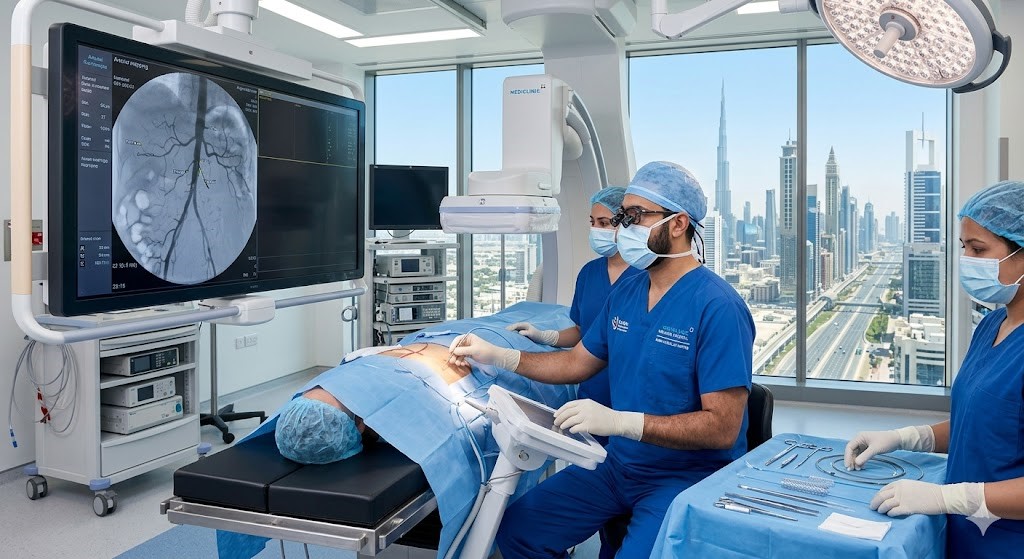
The field of vascular medicine is entering a new era—one defined by precision, prevention, and personalization. In a rapidly evolving healthcare ecosystem like Dubai, the role of a vascular surgeon is no longer limited to treating advanced disease. Instead, it is expanding into early diagnosis, minimally invasive intervention, and long-term vascular health management.
Over the next five years—leading up to the end of 2026—vascular surgeons in Dubai will redefine patient care through advanced technologies, integrated treatment models, and data-driven strategies. Forward-thinking platforms like thelipolab.com are expected to play a key role in this transformation by bridging aesthetics, vascular health, and patient-centric innovation.
What is Driving the Evolution of Vascular Surgery in Dubai?
The increasing prevalence of vascular conditions such as Peripheral Artery Disease, Varicose Veins, and Lymphedema is a major catalyst for innovation.
Key drivers include:
- Aging population and lifestyle-related conditions
- Rising demand for minimally invasive treatments
- Growth of medical tourism in the United Arab Emirates
- Increased patient awareness and early diagnosis
Result:
Vascular surgeons are transitioning from reactive treatment providers to proactive health strategists.
How Will Technology Redefine the Role of Vascular Surgeons?
1. AI-Powered Diagnostics and Predictive Care
Artificial intelligence will become a core tool for vascular specialists. Surgeons will use:
- AI-driven imaging analysis
- Predictive risk modeling
- Automated vascular mapping
These tools will help identify vascular issues before symptoms become severe.
Impact:
Earlier intervention, reduced complications, and improved long-term outcomes.
2. 3D Imaging and Digital Twin Technology
By 2026, vascular surgeons in Dubai will increasingly rely on:
- 3D vascular imaging
- Patient-specific “digital twins”
- Simulation-based surgical planning
This allows surgeons to visualize blood flow patterns and plan procedures with unmatched precision.
Future Insight:
Every patient will receive a highly customized treatment strategy based on their unique vascular anatomy.
3. Robotics and Image-Guided Surgery
Robotic-assisted procedures and real-time imaging will enhance surgical accuracy. These technologies will:
- Improve precision in delicate procedures
- Reduce human error
- Enable minimally invasive interventions
Outcome:
Safer surgeries with faster recovery times.
Why Minimally Invasive Treatments Will Dominate
Traditional open surgeries are steadily being replaced by less invasive alternatives. By 2026, vascular surgeons will prioritize:
- Endovenous laser therapy (EVLT)
- Radiofrequency ablation (RFA)
- Ultrasound-guided sclerotherapy
These procedures offer:
- Minimal downtime
- Reduced pain and scarring
- Faster return to normal activities
Patient Preference:
Convenience and efficiency without compromising results.
How Personalized Medicine Will Shape Vascular Care
1. Data-Driven Treatment Plans
Future vascular surgeons will use:
- Genetic profiling
- Lifestyle analytics
- Real-time health monitoring
This data will guide highly personalized treatment protocols.
2. Tailored Interventions for Complex Conditions
Conditions like Lipedema and lymphedema require specialized care. Surgeons will:
- Combine vascular and lymphatic treatments
- Customize surgical and non-surgical approaches
- Monitor progress continuously
Result:
Better symptom management and improved quality of life.
What Role Will Regenerative Medicine Play?
Regenerative therapies are set to revolutionize vascular care. By the end of 2026, clinics will increasingly adopt:
- Stem Cell Therapy
- Platelet-Rich Plasma
- Tissue regeneration techniques
These approaches aim to:
- Repair damaged blood vessels
- Reduce inflammation
- Enhance healing after procedures
Future Direction:
A shift from symptom management to true vascular restoration.
How Will Holistic Care Redefine Patient Outcomes?
Vascular health is deeply connected to overall wellness. Future vascular surgeons will collaborate with:
- Nutritionists
- Physiotherapists
- Lifestyle coaches
This integrated approach will address:
- Circulation improvement
- Weight management
- Long-term disease prevention
Outcome:
Sustainable health improvements beyond surgery.
Why Dubai Will Lead in Medical Tourism for Vascular Care
Dubai is already a global healthcare hub, and its leadership in vascular care will continue to grow. By 2026:
- International patients will seek advanced vascular treatments
- Clinics will offer concierge-style services
- Multilingual support will enhance accessibility
Opportunity for thelipolab.com:
Positioning as a trusted destination for both aesthetic and vascular excellence.
How Digital Health Will Transform Patient Experience
1. Virtual Consultations and Remote Monitoring
Patients will increasingly interact with vascular surgeons through:
- Telemedicine platforms
- Remote diagnostics
- App-based follow-ups
2. Wearable Technology for Continuous Care
Wearables will monitor:
- Blood circulation
- Swelling and fluid retention
- Activity levels
Benefit:
Real-time insights for better treatment adjustments.
What Are the Emerging Subspecialties in Vascular Surgery?
By the end of 2026, vascular surgeons in Dubai will specialize further in areas such as:
- Lymphatic surgery
- Aesthetic vascular treatments
- Complex venous disease management
This specialization will lead to:
- Higher expertise
- Better outcomes
- More targeted treatments
Why Patient Expectations Are Changing
Modern patients are more informed and selective. They expect:
- Transparency in treatment planning
- Personalized care
- Minimal downtime
- Natural-looking results
Clinics like thelipolab.com that prioritize patient experience will stand out in a competitive market.
How Sustainability and Ethics Will Influence Vascular Care
Healthcare is becoming more conscious of its environmental and ethical impact. Future trends include:
- Eco-friendly medical practices
- Ethical patient communication
- Transparent treatment protocols
Shift in Mindset:
Trust will be as important as technical expertise.
What Does the Future Hold for Complex Conditions?
1. Advanced Management of Chronic Disorders
Conditions like:
- Chronic Venous Insufficiency
- Peripheral artery disease
- Lymphedema
will benefit from:
- Early detection
- Combination therapies
- Continuous monitoring
2. Integration with Aesthetic Treatments
The line between medical and aesthetic care will blur. Vascular surgeons will collaborate with aesthetic specialists to:
- Treat underlying vascular issues
- Enhance cosmetic outcomes
- Provide comprehensive care
Why Choose thelipolab.com for Future-Ready Vascular Expertise?
As the role of vascular surgeons evolves, choosing the right platform becomes critical. thelipolab.com is positioned to lead this transformation by offering:
- Advanced diagnostic and treatment technologies
- Integration of vascular and aesthetic expertise
- Personalized, patient-focused care
- Commitment to innovation and excellence
Whether you are seeking treatment for a medical condition or looking to enhance your vascular health, partnering with a forward-thinking provider ensures optimal outcomes.
FAQs
1. What does a vascular surgeon treat?
A vascular surgeon specializes in conditions affecting blood vessels, including arteries, veins, and the lymphatic system.
2. How will vascular surgery change by 2026?
It will become more minimally invasive, technology-driven, and personalized, with a strong focus on prevention and early diagnosis.
3. Are minimally invasive procedures effective?
Yes, they are highly effective for many vascular conditions and offer faster recovery with fewer risks.
4. What role does AI play in vascular care?
AI helps in early diagnosis, treatment planning, and improving surgical precision.
5. Can vascular conditions be prevented?
Many conditions can be managed or prevented through early detection, lifestyle changes, and regular monitoring.