
Lipedema Treatment in Dubai: Complete Guide to Symptoms, Diagnosis, and Advanced Care
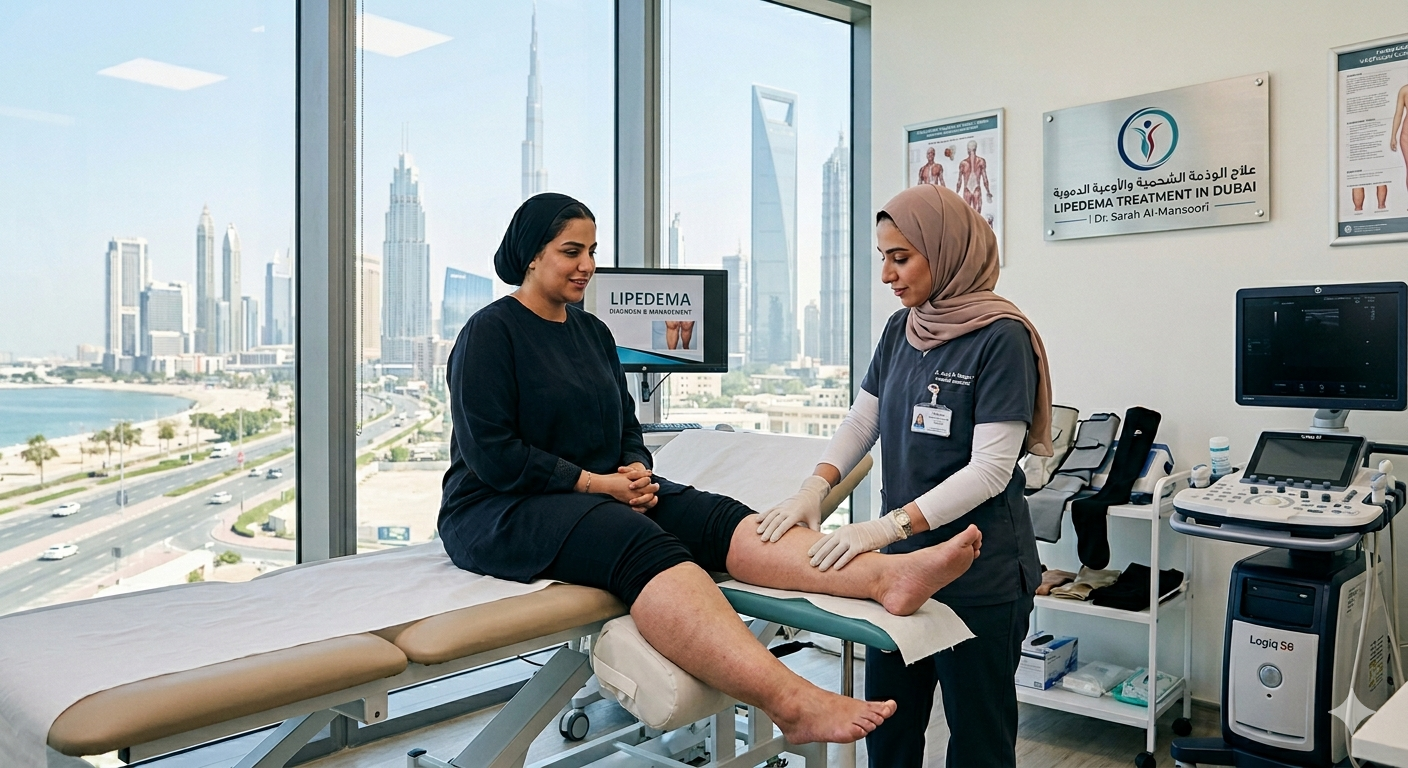
Lipedema is a chronic fat distribution disorder that mainly affects women. It causes abnormal fat buildup in the legs, hips, thighs, buttocks, and sometimes arms. Unlike regular weight gain, lipedema fat is painful, resistant to diet and exercise, and often accompanied by swelling and bruising.
At The Lipo Lab, patients receive specialized evaluation and personalized Lipedema treatment in Dubai designed to improve mobility, comfort, and body balance.
What Is Lipedema Treatment?
Lipedema treatment is a combination of medical therapies, lifestyle management, compression therapy, lymphatic care, and advanced liposuction techniques used to reduce painful fat deposits and improve quality of life.
Main Goals of Lipedema Treatment
- Reduce pain and heaviness
- Improve mobility
- Minimize swelling
- Prevent progression
- Restore body proportions
- Support lymphatic circulation
Why is Lipedema Often Misdiagnosed?
Lipedema is frequently confused with:
- Obesity
- Cellulite
- Lymphedema
- Water retention
Many women struggle for years before receiving a correct diagnosis because the condition does not respond normally to weight loss methods.
Common Signs of Lipedema
Early Symptoms
- Heavy legs
- Tenderness or pain in fat tissue
- Easy bruising
- Swelling that worsens during the day
- Fat accumulation in the lower body
Advanced Symptoms
- Mobility difficulties
- Skin folds
- Joint stress
- Lymphatic complications
- Increased discomfort while walking
What Causes Lipedema?
The exact cause of lipedema is still being studied, but experts believe hormonal and genetic factors play a major role.
Possible Risk Factors
- Family history
- Puberty
- Pregnancy
- Menopause
- Hormonal imbalance
The condition commonly appears or worsens during hormonal changes.
Stages of Lipedema
Understanding the stage of lipedema helps determine the most suitable treatment plan.
Stage 1
- Smooth skin surface
- Enlarged fat cells beneath the skin
- Mild swelling
Stage 2
- Uneven skin texture
- Nodules and lumps
- Increased discomfort
Stage 3
- Large fat deposits
- Significant tissue enlargement
- Reduced mobility
Stage 4
- Lipolymphedema develops
- Severe swelling and lymphatic dysfunction
How is Lipedema Diagnosed in Dubai?
Quick Answer
Lipedema diagnosis is primarily clinical and based on symptoms, physical examination, medical history, and body fat distribution patterns.
Doctors May Evaluate:
- Pain sensitivity
- Swelling patterns
- Family history
- Limb symmetry
- Skin texture
- Resistance to weight loss
At The Lipo Lab, specialists use detailed assessments to distinguish lipedema from obesity and lymphedema.
Best Lipedema Treatment Options in Dubai
1. Conservative Lipedema Treatment
Conservative treatment helps manage symptoms and slow disease progression.
Common Non-Surgical Therapies
Compression Therapy
Compression garments help:
- Reduce swelling
- Improve circulation
- Support lymphatic drainage
- Minimize discomfort
Manual Lymphatic Drainage (MLD)
This specialized massage technique encourages fluid movement and reduces heaviness in the limbs.
Exercise Programs
Low-impact activities are often recommended, including:
- Walking
- Swimming
- Cycling
- Pilates
Nutritional Support
An anti-inflammatory diet may help reduce symptom severity and support overall health.
What is Lipedema Liposuction?
Quick Definition
Lipedema liposuction is a specialized fat removal procedure designed to target abnormal lipedema fat while protecting lymphatic structures.
Unlike cosmetic liposuction, lipedema surgery focuses on functional improvement and symptom relief.
Benefits of Lipedema Liposuction
Patients Often Experience:
- Reduced pain
- Improved mobility
- Better body contour
- Easier movement
- Less heaviness in legs
- Enhanced quality of life
Many women report long-term symptom improvement after specialized treatment.
Which Liposuction Technique Is Used for Lipedema?
Common Advanced Techniques
Tumescent Liposuction
This technique uses a special fluid solution to reduce bleeding and improve fat removal precision.
Water-Assisted Liposuction (WAL)
Water-assisted technology gently separates fat cells while preserving surrounding tissues.
Lymph-Sparing Liposuction
This advanced approach protects delicate lymphatic vessels during surgery.
At The Lipo Lab, treatment plans are customized according to the patient’s stage, symptoms, and goals.
Who is a Good Candidate for Lipedema Treatment?
You May Be a Candidate If You Have:
- Persistent lower body fat resistant to exercise
- Painful or tender fat tissue
- Leg heaviness
- Easy bruising
- Swelling in the limbs
- Difficulty finding proportionate clothing
Early treatment can help prevent disease progression.
How Long Is Recovery After Lipedema Surgery?
Quick Answer
Most patients require several weeks for initial recovery, while full healing and swelling reduction may continue for months.
Recovery Usually Includes:
- Compression garment use
- Walking soon after surgery
- Temporary swelling
- Follow-up care
- Lymphatic drainage sessions
Recovery time varies depending on:
- Treatment area
- Amount of fat removed
- Overall health
- Stage of lipedema
Is Lipedema Curable?
Quick Answer
There is currently no permanent cure for lipedema, but proper treatment can significantly improve symptoms, mobility, and daily comfort.
Long-term management is important to maintain results and prevent progression.
Lipedema vs Obesity: What Is the Difference?
| Lipedema | Obesity |
| Painful fat deposits | General fat accumulation |
| Symmetrical limb enlargement | Fat distributed throughout body |
| Easy bruising common | Bruising less common |
| Resistant to exercise | Usually responds to weight loss |
| Often affects women | Affects both genders equally |
This distinction is important because lipedema requires specialized treatment.
Why Choose Specialized Lipedema Treatment in Dubai?
Dubai has become a destination for advanced body contouring and lymphatic care because of:
- Modern medical facilities
- Specialized surgical techniques
- Personalized treatment plans
- Multidisciplinary care approaches
Choosing a clinic experienced in lipedema management can improve treatment outcomes and long-term support.
Importance of Early Lipedema Treatment
Early diagnosis can:
- Slow progression
- Reduce discomfort
- Improve mobility
- Prevent lymphatic complications
- Enhance daily quality of life
Ignoring symptoms may lead to worsening swelling and mobility challenges over time.
Lifestyle Tips for Managing Lipedema
Helpful Daily Habits
Stay Active
Low-impact movement supports circulation and lymphatic health.
Wear Compression Garments
Consistent use can reduce heaviness and swelling.
Maintain a Healthy Diet
Focus on anti-inflammatory foods and hydration.
Avoid Prolonged Sitting
Movement throughout the day supports circulation.
Follow Regular Medical Checkups
Long-term monitoring helps maintain symptom control.
FAQs
What is the best treatment for lipedema?
The best treatment depends on the stage and severity of the condition. Many patients benefit from a combination of conservative therapies and specialized liposuction.
Can lipedema go away with exercise?
No. Exercise can improve mobility and circulation, but lipedema fat usually does not disappear with diet and exercise alone.
Is lipedema treatment painful?
Most treatments are designed to reduce discomfort. Surgical procedures are performed with appropriate anesthesia and post-treatment care.
How do I know if I have lipedema?
Common signs include painful fat accumulation in the legs or arms, easy bruising, swelling, and disproportionate lower body enlargement.
Is lipedema surgery safe?
When performed by experienced specialists using lymph-sparing techniques, lipedema surgery is generally considered safe for suitable candidates.
Can lipedema return after surgery?
Liposuction can permanently remove treated fat cells, but maintaining a healthy lifestyle and ongoing management remains important.
Why Patients Choose The Lipo Lab
The Lipo Lab focuses on advanced lipedema care with individualized treatment strategies tailored to each patient’s condition and goals.
Patients often seek specialized care for:
- Accurate diagnosis
- Comprehensive treatment planning
- Advanced surgical techniques
- Long-term symptom management
- Personalized recovery support