
Compression Garments in UAE: A Complete Guide to Comfort, Recovery, and Long-Term Wellness
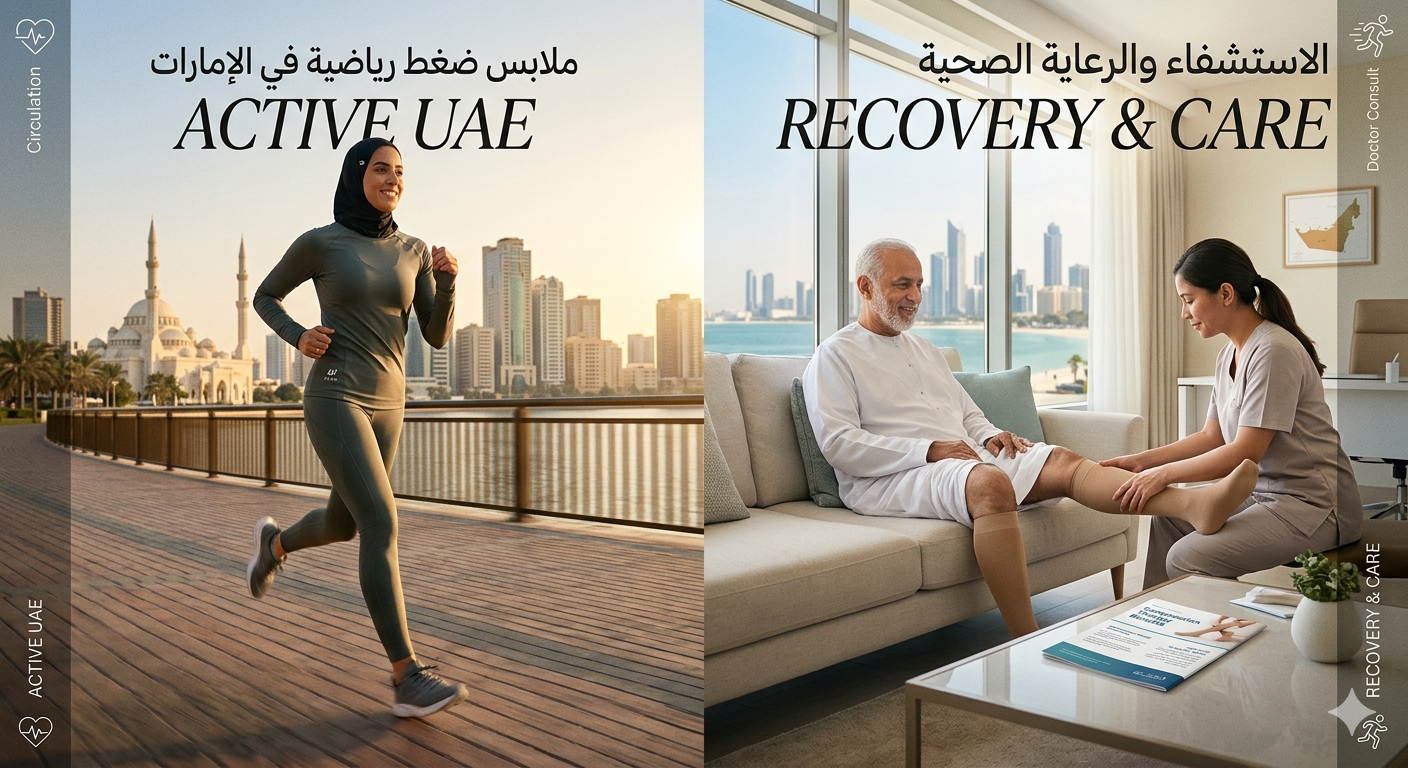
When people hear the term “compression garments,” they often think of medical stockings or post-surgical wear. While these are certainly common uses, compression garments have become an essential part of treatment and recovery for a wide range of conditions affecting circulation, lymphatic health, and body contouring outcomes.
Yet many individuals are unsure about how Compression Garments in UAE work, when they should be worn, and what benefits they actually provide.
At The Lipo Lab, we believe that informed patients make better decisions about their health. Understanding the role of compression therapy can help individuals maximize treatment outcomes, improve comfort, and enhance their quality of life.
What are Compression Garments?
Unlike regular clothing, these garments are engineered to provide graduated compression, meaning the pressure is distributed in a way that supports circulation and fluid movement.
Compression garments are commonly available in various forms, including:
- Compression stockings
- Compression sleeves
- Compression leggings
- Compression shorts
- Compression arm garments
- Post-surgical compression garments
- Full-body compression wear
The type of garment recommended depends on the patient’s condition, treatment goals, and the area of the body being treated.
How Compression Garments Work
To understand the benefits of compression garments, it helps to understand what happens inside the body.
Blood and lymphatic fluid rely on healthy circulation systems to move efficiently. When these systems become compromised, fluid may accumulate in tissues, causing swelling, heaviness, discomfort, and other symptoms.
Compression garments apply gentle pressure that helps:
- Improve blood circulation
- Encourage lymphatic drainage
- Reduce fluid buildup
- Support healing tissues
- Minimize swelling
- Improve comfort and mobility
Rather than simply masking symptoms, compression therapy supports the body’s natural physiological processes.
Why Compression Garments Are Widely Used in the UAE
The UAE’s climate and lifestyle factors can sometimes contribute to swelling and circulation concerns.
Long working hours, frequent travel, prolonged standing, and extended periods of sitting can all impact lower limb circulation.
Many residents also seek compression garments following cosmetic and body contouring procedures, which are increasingly popular throughout the region.
As awareness of conditions such as lipedema and lymphedema continues to grow, compression therapy has become an important component of comprehensive treatment plans.
Compression Garments After Surgery
One of the most common reasons patients wear compression garments is post-surgical recovery.
Following procedures such as liposuction, body contouring, and certain reconstructive surgeries, compression garments play a critical role in the healing process.
Benefits may include:
- Reduced swelling
- Improved circulation
- Enhanced comfort
- Support for healing tissues
- Improved contouring outcomes
- Reduced fluid accumulation
Many patients are surprised by how much comfort a properly fitted garment can provide during recovery.
While the initial adjustment period may require some patience, consistent use often contributes to a smoother healing experience.
Compression Therapy for Lipedema
For individuals living with lipedema, compression garments are often an essential part of daily symptom management.
Lipedema is a chronic condition that causes abnormal fat accumulation, usually in the legs and sometimes the arms.
Common symptoms include:
- Leg heaviness
- Tenderness
- Swelling
- Easy bruising
- Reduced mobility
Compression garments help support affected tissues and may reduce some of the discomfort associated with the condition.
Many patients report feeling lighter, more comfortable, and more active when wearing properly fitted compression garments.
While compression therapy does not cure lipedema, it can play an important role in long-term symptom management.
Compression Garments for Lymphedema
Lymphedema occurs when lymphatic drainage becomes impaired, leading to fluid accumulation in the body’s tissues.
Compression therapy is often considered one of the cornerstone treatments for lymphedema management.
The garments help:
- Encourage lymphatic flow
- Reduce swelling
- Prevent fluid buildup
- Improve limb comfort
- Support long-term symptom control
Because lymphedema is often a chronic condition, many patients incorporate compression garments into their daily routine.
Consistent use can help maintain treatment results and improve overall quality of life.
Managing Leg Swelling and Heaviness
Not all patients who benefit from compression therapy have a diagnosed medical condition.
Many people experience:
- Swollen ankles
- Heavy legs
- Mild circulation issues
- Travel-related swelling
- Occupational leg fatigue
Compression garments can provide valuable support for individuals who spend long hours standing or sitting.
By improving circulation and reducing fluid accumulation, they often help minimize discomfort and support daily mobility.
Compression Garments During Travel
Frequent travelers often experience temporary swelling due to prolonged sitting during flights.
Compression garments may help reduce:
- Ankle swelling
- Leg discomfort
- Circulatory stagnation
- Travel-related fatigue
For individuals who travel regularly for business or leisure, compression wear can become a useful preventative measure.
Many travelers find that they arrive feeling more comfortable and refreshed after long journeys.
The Importance of Proper Fit
One of the most important factors in compression therapy success is garment fit.
A garment that is too loose may provide insufficient support.
A garment that is too tight may cause discomfort and fail to deliver optimal results.
This is why professional measurement and fitting are often recommended.
A properly fitted garment should:
- Feel supportive but not restrictive
- Stay in place throughout the day
- Apply consistent pressure
- Allow comfortable movement
Patients should never assume that all compression garments provide the same level of support.
Individualized fitting helps ensure effectiveness.
Different Compression Levels
Compression garments are available in various compression strengths.
The appropriate level depends on factors such as:
- Medical condition
- Severity of symptoms
- Treatment goals
- Physician recommendations
Higher levels of compression are not necessarily better.
The most effective garment is one that matches the patient’s specific needs.
Professional guidance helps ensure the correct level of support is selected.
Adjusting to Compression Garments
Some patients adapt to compression garments immediately, while others require a short adjustment period.
Common concerns include:
- Feeling unfamiliar pressure
- Difficulty putting garments on
- Warmth during wear
- Changes in daily routines
Fortunately, most patients become comfortable with regular use.
Establishing a consistent routine often helps improve compliance and long-term success.
Caring for Compression Garments
Proper care helps maintain garment effectiveness and extend its lifespan.
Recommendations often include:
- Regular washing
- Following manufacturer instructions
- Avoiding excessive heat
- Replacing worn garments when necessary
Over time, compression materials naturally lose elasticity.
Replacing garments at recommended intervals helps ensure consistent support.
The Emotional Benefits of Compression Therapy
While compression garments are designed for physical support, their emotional impact should not be overlooked.
Patients frequently report:
- Increased confidence
- Greater mobility
- Improved comfort
- Better participation in daily activities
- Enhanced quality of life
For individuals living with chronic swelling, lipedema, or lymphedema, even modest symptom improvements can significantly affect overall wellbeing.
The ability to move more comfortably often restores a sense of freedom and independence.
Common Myths About Compression Garments
Myth 1: Compression Garments Are Only for Older Adults
People of all ages may benefit from compression therapy depending on their condition and treatment needs.
Myth 2: Compression Garments Are Only for Medical Problems
Many athletes, travelers, and post-surgical patients use compression garments for performance, recovery, and comfort.
Myth 3: Compression Garments Are Uncomfortable
When properly fitted, compression garments are generally comfortable and supportive.
Myth 4: All Compression Garments Are the Same
Different garments are designed for different conditions, body areas, and levels of support.
Professional guidance helps ensure the correct garment is selected.
Why Choose The Lipo Lab?
At The Lipo Lab, we understand that compression garments are more than a medical accessory.
They are an important part of recovery, symptom management, and long-term wellness.
Our approach focuses on:
- Personalized recommendations
- Professional fitting guidance
- Lipedema and lymphedema expertise
- Post-surgical support
- Patient education
- Long-term care planning
We work closely with patients to ensure compression therapy becomes an effective and comfortable part of their treatment journey.
FAQs
1. What are compression garments used for?
Compression garments are used to improve circulation, reduce swelling, support lymphatic drainage, aid post-surgical recovery, and help manage conditions such as lipedema and lymphedema.
2. How long should I wear compression garments each day?
The recommended wear time depends on your condition and treatment plan. Some patients wear them during waking hours, while others may require specific schedules advised by their healthcare provider.
3. Can compression garments help with lipedema?
Yes. Compression garments are commonly recommended for lipedema patients because they can help reduce discomfort, manage swelling, support circulation, and improve daily mobility.
4. Are compression garments necessary after liposuction?
In many cases, compression garments are an important part of post-liposuction recovery. They help reduce swelling, support healing tissues, and contribute to smoother body contouring results.
5. How do I know if my compression garment fits properly?
A properly fitted compression garment should feel supportive without causing pain or excessive restriction. Professional measurement and fitting are often recommended to ensure optimal comfort and effectiveness.