
Swollen Ankles Treatment in Dubai: Understanding the Cause and Finding the Right Solution
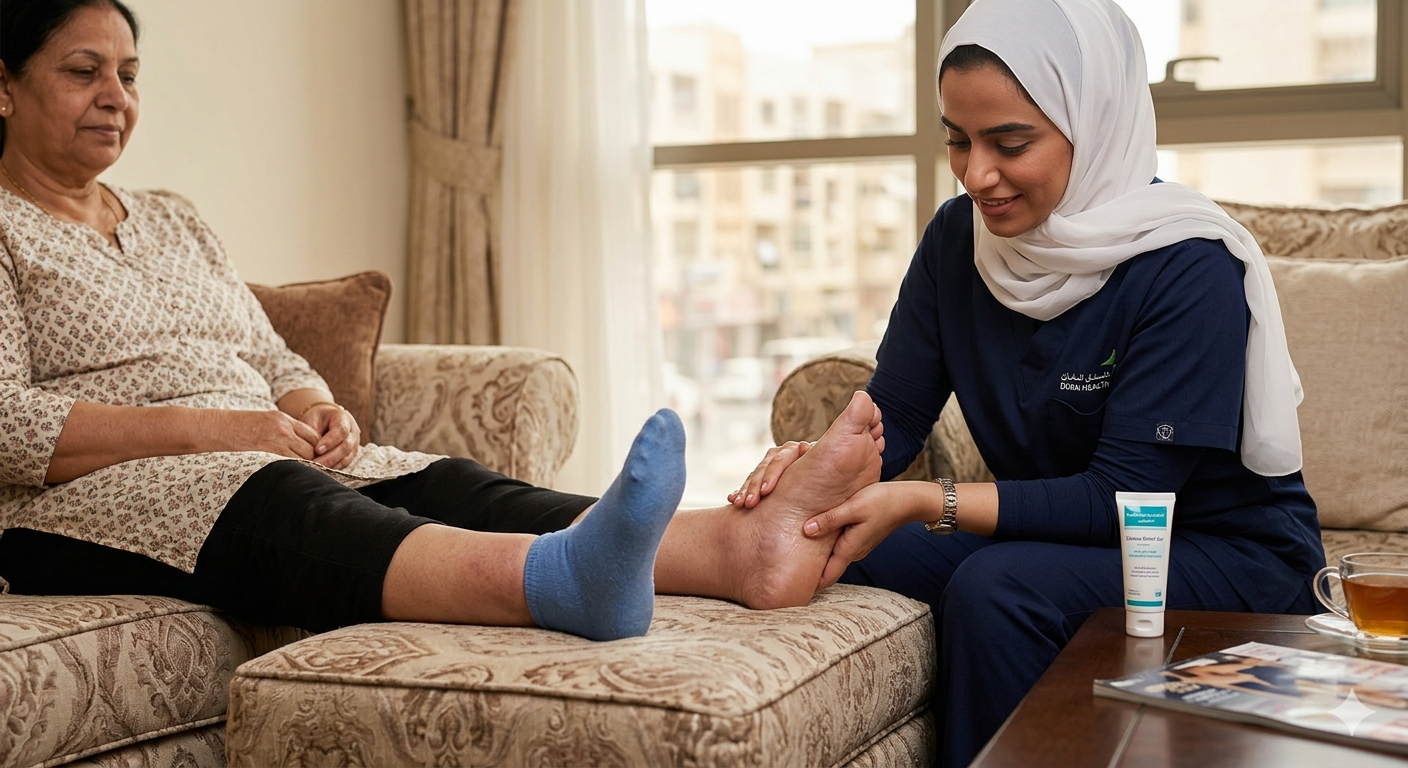
Swollen ankles can seem like a minor issue at first. Many people notice a little puffiness after a long day, a lengthy flight, or hours spent standing at work and assume it will disappear on its own. Sometimes it does. However, when ankle swelling becomes persistent, uncomfortable, or progressively worse, it can begin to affect daily life in ways that are difficult to ignore.
Simple activities such as walking, exercising, wearing certain shoes, or standing for extended periods may become uncomfortable. Beyond the physical discomfort, swollen ankles can also affect confidence, especially when the swelling alters the appearance of the legs and lower body. The reality is that Swollen Ankles Treatment in Dubai are not a condition themselves but rather a symptom of an underlying issue. Understanding the cause is the first step toward effective treatment.
At The Lipo Lab, we understand that ankle swelling can stem from a variety of factors, ranging from lifestyle habits and circulation issues to lymphatic disorders such as lipedema and lymphedema. Through personalized assessment and advanced treatment options, patients can find solutions that address both the symptoms and their root cause.
What Causes Swollen Ankles?
Ankle swelling occurs when excess fluid accumulates in the tissues of the lower legs and feet. This condition is often referred to as edema.
While occasional swelling can be normal, persistent or recurring swelling deserves medical attention.
Several factors may contribute to swollen ankles, including:
- Poor circulation
- Venous insufficiency
- Lymphedema
- Lipedema
- Pregnancy
- Obesity
- Prolonged standing or sitting
- Injury or trauma
- Certain medications
- Underlying medical conditions
This is why professional evaluation is so important.
Rather than treating swelling alone, specialists focus on identifying what is causing the fluid buildup in the first place.
When Swollen Ankles Become More Than a Temporary Problem
Most people have experienced temporary ankle swelling at some point. Long travel days, hot weather, or extended periods of inactivity can all contribute to fluid retention.
Warning signs include:
- Swelling that occurs daily
- Persistent heaviness in the legs
- Tightness around the ankles
- Difficulty fitting into shoes
- Skin changes
- Pain or discomfort
- Progressive enlargement of the lower limbs
These symptoms may indicate an underlying vascular or lymphatic issue that requires specialized treatment.
Ignoring the problem can sometimes lead to worsening symptoms over time.
The Emotional Impact of Chronic Ankle Swelling
While physical discomfort is often the most obvious concern, the emotional impact should not be overlooked.
Many patients describe feeling frustrated because they cannot understand why their ankles remain swollen despite maintaining a healthy lifestyle.
Others feel self-conscious about wearing skirts, dresses, shorts, or fitted clothing.
Some avoid social activities or vacations because they are uncomfortable with the appearance of their legs.
Over time, this can affect confidence and quality of life.
At The Lipo Lab, we believe treatment should address both the physical symptoms and the emotional challenges that accompany chronic swelling.
The Link Between Swollen Ankles and Lipedema
One frequently overlooked cause of lower limb swelling is lipedema. It causes abnormal fat accumulation in the legs and sometimes the arms.
Patients often report:
- Enlarged lower limbs
- Painful fat tissue
- Easy bruising
- Tenderness
- Heaviness in the legs
- Difficulty losing fat through diet and exercise
As lipedema progresses, swelling around the ankles may become increasingly noticeable.
Because lipedema symptoms can resemble obesity or simple weight gain, it is often misunderstood or misdiagnosed.
Specialized assessment is essential for identifying the condition and developing an effective treatment plan.
Understanding Lymphedema
Another common cause of ankle swelling is lymphedema.
The lymphatic system plays a critical role in removing excess fluid and waste from the body’s tissues.
When this system becomes impaired, fluid accumulates and causes swelling.
Common symptoms include:
- Persistent swelling
- Skin tightness
- Heaviness
- Reduced flexibility
- Recurring infections
- Progressive enlargement of affected areas
Lymphedema can affect one or both legs and often requires ongoing management.
Early intervention typically leads to better outcomes and improved symptom control.
Venous Insufficiency and Circulation Problems
Poor circulation is another significant contributor to swollen ankles.
Healthy veins rely on small valves that help move blood back toward the heart. When these valves become weakened or damaged, blood can pool in the lower legs.
This condition is known as chronic venous insufficiency.
Symptoms often include:
- Swollen ankles
- Leg fatigue
- Aching discomfort
- Visible veins
- Skin discoloration
- Leg heaviness
Many patients initially dismiss these symptoms as normal aging or fatigue.
However, effective treatment options are available when circulation issues are properly diagnosed.
Why Accurate Diagnosis Matters
One of the biggest mistakes people make is assuming all ankle swelling has the same cause.
In reality, successful treatment depends on understanding the underlying condition.
Treating symptoms without identifying the cause often leads to frustration and limited improvement.
This is why comprehensive evaluation forms an essential part of care at The Lipo Lab.
Each patient receives a personalized assessment designed to uncover the factors contributing to their symptoms.
Swollen Ankles Treatment Options in Dubai
Treatment recommendations vary depending on the underlying diagnosis, symptom severity, and individual patient goals.
Compression Therapy
Compression garments help support circulation and reduce fluid accumulation.
They are commonly recommended for:
- Lymphedema
- Venous insufficiency
- Chronic swelling
- Post-treatment recovery
Many patients experience significant symptom relief when compression therapy is incorporated into their treatment plan.
Manual Lymphatic Drainage
Manual lymphatic drainage is a specialized massage technique designed to encourage lymphatic flow.
This treatment may help:
- Reduce swelling
- Improve comfort
- Enhance circulation
- Support lymphatic function
It is frequently used as part of a broader lymphedema management strategy.
Lifestyle Modifications
Small lifestyle adjustments can often make a meaningful difference.
Recommendations may include:
- Regular movement
- Weight management
- Leg elevation
- Hydration
- Exercise programs
- Reducing prolonged sitting or standing
While lifestyle changes may not resolve all causes of swelling, they often support long-term symptom management.
Advanced Lipedema Treatment
When lipedema contributes to ankle swelling, specialized treatment may be necessary.
Conservative therapies may help manage symptoms, but advanced cases often require a more comprehensive approach.
Modern lipedema treatment strategies focus on:
- Symptom reduction
- Improved mobility
- Better quality of life
- Enhanced body proportions
- Long-term disease management
Each treatment plan is tailored to the patient’s stage of disease and overall goals.
Lymphatic Care Programs
Patients with lymphedema often benefit from structured treatment programs that combine multiple therapies.
These programs may include:
- Compression therapy
- Manual lymphatic drainage
- Exercise guidance
- Skin care management
- Ongoing monitoring
A multidisciplinary approach often provides the best outcomes.
What to Expect During Your Consultation
Many patients arrive feeling uncertain about the cause of their swelling.
A consultation provides an opportunity to gain clarity and explore potential solutions.
During the evaluation process, specialists typically assess:
- Medical history
- Symptom duration
- Swelling patterns
- Lifestyle factors
- Family history
- Circulatory health
- Lymphatic function
Diagnostic imaging or additional testing may be recommended when necessary.
The goal is to develop a complete understanding of the condition before creating a treatment plan.
Recovery and Long-Term Management
Successful treatment does not always mean eliminating swelling completely.
In many cases, the objective is symptom control, improved comfort, and better quality of life.
Patients often notice improvements such as:
- Reduced swelling
- Increased mobility
- Less discomfort
- Improved confidence
- Better-fitting footwear
- Enhanced daily function
Long-term success frequently depends on ongoing management and consistent follow-up care.
The most effective treatment plans combine professional intervention with patient participation.
Why Early Treatment Matters
One of the most important messages patients should understand is that early intervention can make a significant difference.
Conditions such as lymphedema and venous insufficiency often become more challenging to manage when left untreated.
Seeking professional evaluation at the first signs of persistent swelling may help:
- Prevent progression
- Improve treatment outcomes
- Reduce complications
- Enhance quality of life
- Preserve mobility
The sooner the underlying cause is identified, the sooner an effective treatment strategy can begin.
Why Choose The Lipo Lab for Swollen Ankles Treatment in Dubai?
At The Lipo Lab, every patient receives individualized care based on their specific condition, symptoms, and goals.
The clinic’s approach goes beyond treating visible swelling. Instead, the focus is on understanding the underlying cause and creating a comprehensive treatment plan designed for long-term improvement.
Whether ankle swelling is related to lipedema, lymphedema, circulation issues, or another underlying concern, patients benefit from a combination of advanced diagnostic assessment, modern treatment options, and compassionate support.
The team understands that swollen ankles can affect far more than physical comfort. They can influence confidence, mobility, lifestyle choices, and overall wellbeing.
This is why care is designed to address the whole patient rather than just the symptom.
FAQs
1. What are the most common causes of swollen ankles?
Swollen ankles can result from several conditions, including poor circulation, venous insufficiency, lymphedema, lipedema, prolonged standing or sitting, pregnancy, obesity, injury, or certain medications. In some cases, persistent swelling may indicate an underlying vascular or lymphatic disorder that requires professional evaluation.
2. When should I seek medical treatment for swollen ankles?
You should consult a specialist if ankle swelling is persistent, occurs daily, causes pain or discomfort, affects mobility, or is accompanied by heaviness, skin changes, or difficulty fitting into shoes. Early diagnosis can help prevent the condition from worsening and improve treatment outcomes.
3. How is swollen ankles treatment diagnosed at The Lipo Lab?
At The Lipo Lab, diagnosis begins with a comprehensive assessment that includes your medical history, symptom patterns, lifestyle factors, circulation health, and lymphatic function. Additional diagnostic tests or imaging may be recommended when necessary to identify the exact cause of the swelling.
4. What treatment options are available for swollen ankles in Dubai?
Treatment depends on the underlying cause and may include compression therapy, manual lymphatic drainage, lifestyle modifications, circulation support, lymphatic care programs, and specialized treatments for conditions such as lipedema or lymphedema. Each treatment plan is customized to the patient’s specific needs.
5. Can swollen ankles be permanently cured?
The possibility of permanent improvement depends on the underlying cause. Temporary swelling from lifestyle factors may resolve completely, while chronic conditions such as lymphedema or venous insufficiency may require ongoing management. With proper treatment and long-term care, most patients can achieve significant symptom relief, improved mobility, and a better quality of life.