
Lymphedema Treatment in Dubai: Moving Beyond Swelling Toward Long-Term Relief
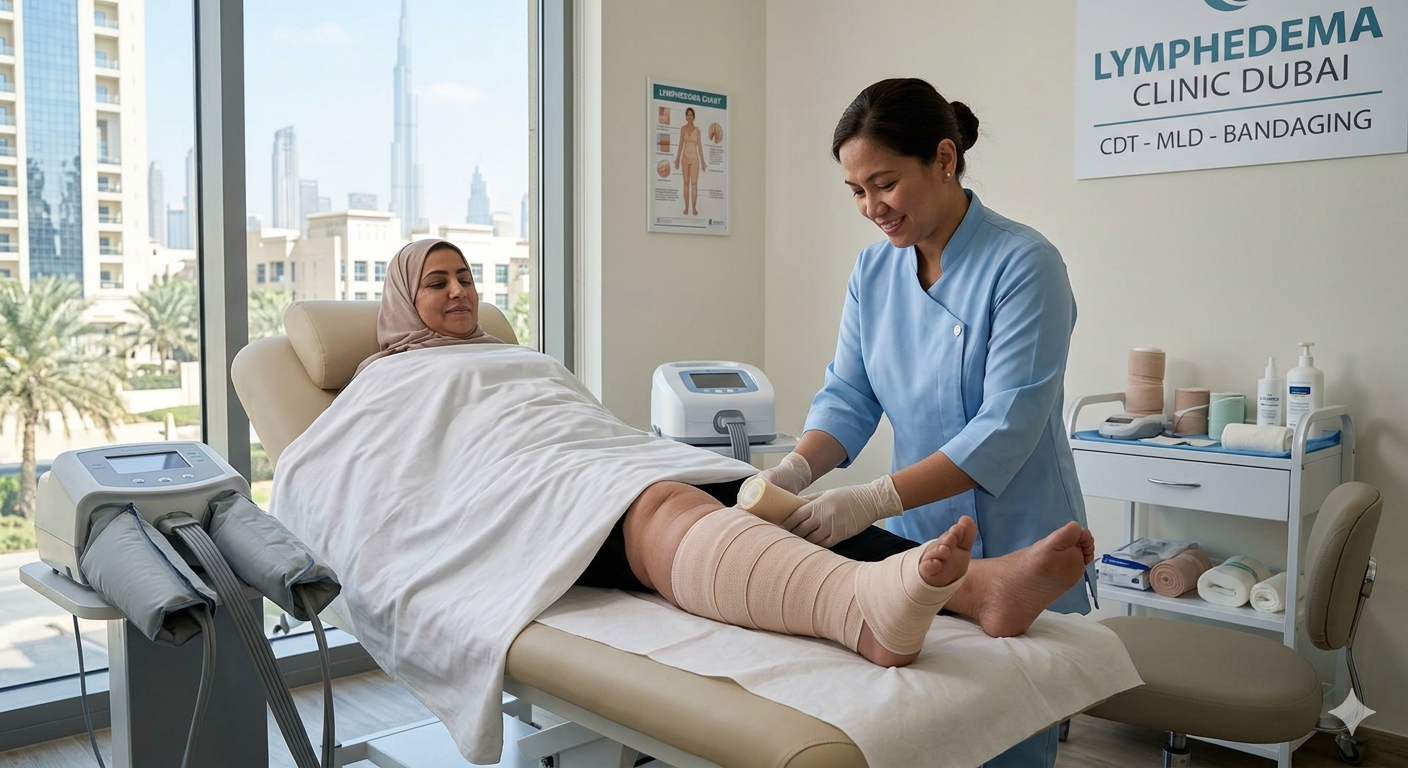
People often describe lymphedema as swelling. While technically accurate, that description barely scratches the surface of what living with the condition actually feels like.
For some, it begins as a subtle tightness in the ankle that appears at the end of the day. Others notice that one arm feels heavier than the other after cancer treatment. Many dismiss the early signs entirely, assuming the swelling will disappear on its own.
Then weeks become months.
Shoes no longer fit comfortably. Simple walks feel more exhausting. Clothing starts to feel restrictive. What seemed like a minor inconvenience slowly becomes a daily challenge.
One of the most difficult aspects of lymphedema is that it often affects far more than physical appearance. It can influence mobility, confidence, comfort, and overall quality of life.
The encouraging news is that modern lymphedema treatment in Dubai has evolved significantly over the past decade. Patients today have access to advanced diagnostic tools, specialized therapies, and surgical options that can dramatically improve symptom control and long-term outcomes.
At The Lipo Lab, lymphedema treatment is approached with the understanding that every patient’s experience is unique. Effective care requires more than simply reducing swelling—it requires restoring function, preserving lymphatic health, and helping individuals regain confidence in their daily lives.
Understanding What Lymphedema Really Is
The lymphatic system is one of the body’s most overlooked yet essential networks.
While the circulatory system receives considerable attention, the lymphatic system quietly performs critical functions every day. It helps maintain fluid balance, supports immune function, and removes waste products from tissues.
When this system becomes impaired, lymph fluid can no longer drain efficiently.
Instead of moving through healthy lymphatic pathways, fluid accumulates within surrounding tissues. Over time, this leads to swelling, discomfort, and progressive tissue changes.
This condition is known as lymphedema.
Although commonly associated with swelling in the arms and legs, lymphedema can affect other areas of the body as well.
Without appropriate treatment, the condition often progresses gradually, making early diagnosis particularly important.
Primary and Secondary Lymphedema
Lymphedema is generally divided into two categories.
Primary Lymphedema
Primary lymphedema develops due to abnormalities within the lymphatic system itself.
Some individuals are born with fewer lymphatic vessels than normal, while others may have vessels that do not function properly.
Symptoms can appear:
- At birth
- During adolescence
- During adulthood
Because primary lymphedema is relatively uncommon, diagnosis may sometimes be delayed.
Secondary Lymphedema
Secondary lymphedema is far more common and occurs when previously healthy lymphatic structures become damaged.
Potential causes include:
- Cancer surgery
- Lymph node removal
- Radiation therapy
- Traumatic injury
- Chronic infections
- Vascular disorders
- Certain surgical procedures
Many patients undergoing cancer treatment are particularly vulnerable because lymph nodes often play a direct role in treatment planning.
Even when cancer treatment is successful, disruption of lymphatic drainage can create long-term challenges.
Why Lymphedema Is Often Misunderstood
One reason lymphedema frequently goes untreated is because its early symptoms may resemble other conditions.
Patients often mistake the swelling for:
- Weight gain
- Poor circulation
- Water retention
- Aging
- Temporary inflammation
Unfortunately, this delay can allow the condition to progress.
As lymph fluid continues to accumulate, tissues may become increasingly firm and fibrotic. The skin can thicken, and recurrent infections may become more common.
The earlier intervention begins, the greater the opportunity to preserve lymphatic function and minimize long-term complications.
Signs That Should Not Be Ignored
While swelling remains the most recognizable symptom, lymphedema often presents with additional warning signs.
Patients may notice:
- Persistent swelling in one limb
- Heaviness or tightness
- Reduced flexibility
- Skin texture changes
- Aching discomfort
- Increased limb size
- Recurrent skin infections
- Difficulty fitting into clothing or footwear
Symptoms may fluctuate initially but often become more persistent over time.
Recognizing these changes early can significantly improve treatment outcomes.
The Emotional Side of Living with Lymphedema
There is another aspect of lymphedema that medical discussions sometimes overlook.
The emotional impact.
Patients frequently describe feeling frustrated by the unpredictability of symptoms. Activities that once felt routine can suddenly require additional planning and effort.
Travel becomes more complicated.
Exercise may feel uncomfortable.
Even social situations can become stressful when visible swelling affects self-confidence.
Over time, these challenges can create a substantial psychological burden.
Many individuals spend years searching for explanations before receiving an accurate diagnosis.
When treatment finally begins, the relief often comes not only from symptom improvement but from understanding what has been causing the problem all along.
Comprehensive Lymphedema Assessment
Successful treatment starts with a thorough evaluation.
At The Lipo Lab, diagnosis involves much more than measuring swelling.
Specialists assess:
- Medical history
- Symptom progression
- Previous surgeries
- Cancer treatment history
- Skin condition
- Limb volume
- Lymphatic function
- Vascular health
This comprehensive approach helps distinguish lymphedema from conditions that may appear similar.
Accurate diagnosis is critical because different causes of swelling require entirely different treatment strategies.
Conservative Treatment: The Foundation of Care
Many patients are surprised to learn that effective lymphedema management rarely relies on a single treatment.
Instead, successful outcomes often result from combining several complementary approaches.
Compression Therapy
Compression garments remain one of the most important tools in lymphedema management.
These specially designed garments apply controlled pressure that helps encourage lymphatic drainage while preventing fluid from reaccumulating.
Benefits often include:
- Reduced swelling
- Improved comfort
- Enhanced mobility
- Better symptom control
Proper fit is essential because compression levels must be matched to the individual’s needs.
Manual Lymphatic Drainage
Manual lymphatic drainage (MLD) is a highly specialized therapeutic technique designed to stimulate lymph flow.
Unlike conventional massage, MLD utilizes precise movements that follow lymphatic pathways.
Patients frequently report:
- Reduced heaviness
- Improved circulation
- Greater comfort
- Enhanced fluid movement
When combined with compression therapy, MLD can significantly improve symptom management.
Exercise and Movement Therapy
Movement is one of the body’s most effective mechanisms for supporting lymphatic circulation.
Customized exercise programs may include:
- Walking
- Stretching
- Resistance exercises
- Aquatic therapy
- Mobility training
The goal is not intense physical exertion but strategic movement that supports lymphatic function.
Skin Care Management
Skin health is a critical component of lymphedema treatment.
Because swelling can increase vulnerability to infection, patients are often educated about:
- Daily skin care routines
- Moisturization
- Infection prevention
- Early symptom recognition
- Wound management
Preventing complications is just as important as reducing swelling itself.
Advanced Surgical Treatments for Lymphedema
While conservative therapies remain highly effective, some patients may benefit from surgical intervention.
Advances in microsurgery have transformed the field of lymphatic reconstruction, creating opportunities that were once unavailable.
Lymphaticovenous Anastomosis (LVA)
LVA is a minimally invasive microsurgical procedure that connects lymphatic vessels directly to nearby veins.
These tiny connections create alternative pathways for fluid drainage.
Potential benefits include:
- Reduced swelling
- Improved lymphatic flow
- Better symptom control
- Enhanced quality of life
Patients with earlier-stage lymphedema often achieve particularly favorable outcomes.
Vascularized Lymph Node Transfer (VLNT)
For more advanced cases, lymph node transfer surgery may be recommended.
This procedure involves transplanting healthy lymph nodes from another part of the body into the affected region.
Over time, these nodes can help improve lymphatic drainage and support long-term symptom reduction.
Liposuction for Advanced Lymphedema
Many people are surprised to learn that liposuction can play a role in lymphedema treatment.
In chronic cases, prolonged swelling may lead to the development of excess fatty tissue and fibrosis.
Specialized liposuction techniques can help remove these deposits while improving limb shape and function.
Unlike cosmetic liposuction, lymphedema-focused procedures require meticulous preservation of lymphatic structures.
This specialized approach is one of the reasons expertise matters so greatly in treatment planning.
The Relationship Between Lymphedema and Lipedema
Lymphedema and lipedema are frequently confused.
Although both conditions can involve swelling and enlarged limbs, they are fundamentally different disorders.
Lipedema involves abnormal fat accumulation and often causes:
- Tenderness
- Easy bruising
- Symmetrical enlargement
- Disproportionate lower-body volume
In some cases, untreated lipedema may eventually contribute to lymphatic dysfunction, resulting in a combined condition sometimes referred to as lipo-lymphedema.
Accurate diagnosis is essential because treatment strategies differ significantly.
At The Lipo Lab, careful evaluation helps ensure patients receive appropriate care tailored to their specific condition.
Why Early Intervention Changes Outcomes
One of the most important lessons specialists learn from treating lymphedema is that timing matters.
The condition becomes more challenging to manage as tissue changes progress.
Early treatment can:
- Reduce symptom severity
- Preserve lymphatic function
- Prevent complications
- Improve mobility
- Enhance long-term quality of life
Patients who seek evaluation at the first signs of persistent swelling often experience the best outcomes.
Choosing the Right Lymphedema Specialist
Lymphedema is a complex condition requiring expertise across multiple disciplines.
Effective treatment often involves collaboration among:
- Lymphatic specialists
- Vascular experts
- Rehabilitation therapists
- Compression specialists
- Microsurgeons
Patients should seek providers with dedicated experience in lymphatic disorders rather than relying solely on general swelling management.
Comprehensive care offers the greatest opportunity for meaningful, long-term improvement.
Looking Beyond Symptom Management
The most successful lymphedema treatment plans do more than reduce swelling.
They help patients reclaim aspects of life that the condition may have gradually taken away.
Improved mobility makes exercise more enjoyable.
Reduced discomfort supports greater independence.
Better symptom control restores confidence.
These changes may seem small individually, but together they can profoundly affect quality of life.
A Future with Better Options
Not long ago, lymphedema was often viewed as a condition that patients simply had to live with.
Today, that perspective has changed.
Advances in diagnostics, conservative therapy, compression technology, and lymphatic surgery have created new opportunities for symptom control and long-term management.
While lymphedema remains a chronic condition, it is increasingly one that can be effectively treated and managed with the right support.
At The Lipo Lab, patients benefit from a comprehensive approach that combines modern treatment strategies with individualized care. By focusing on both immediate symptom relief and long-term lymphatic health, the goal is to help every patient move beyond swelling and toward a more active, comfortable, and confident future.
For individuals seeking expert lymphedema treatment in Dubai, specialized care can make all the difference—not only in reducing symptoms but in transforming the way life feels every day.
FAQs
1. What are the early signs of lymphedema?
Early signs of lymphedema often include persistent swelling in the arms, legs, hands, or feet, a feeling of heaviness or tightness in the affected area, reduced flexibility, and skin that feels firm or stretched. If these symptoms continue for several weeks, it is important to seek professional evaluation.
2. Can lymphedema be cured permanently?
Lymphedema is generally considered a chronic condition, meaning there is no guaranteed permanent cure. However, with proper treatment, including compression therapy, manual lymphatic drainage, exercise, and advanced surgical options when appropriate, symptoms can be effectively managed and significantly reduced.
3. Who is most at risk of developing lymphedema?
People who have undergone cancer treatment involving lymph node removal or radiation therapy are among the highest-risk groups. Other risk factors include lymphatic system abnormalities, chronic infections, trauma, vascular disorders, and certain surgical procedures that affect lymphatic drainage.
4. What treatments are available for lymphedema in Dubai?
Modern lymphedema treatment in Dubai may include compression garments, manual lymphatic drainage (MLD), specialized exercise programs, skin care management, and advanced surgical procedures such as Lymphaticovenous Anastomosis (LVA) and Vascularized Lymph Node Transfer (VLNT). The best treatment plan depends on the severity and stage of the condition.
5. How long does it take to see results from lymphedema treatment?
The timeline varies depending on the severity of the condition and the treatment approach. Many patients notice improvements in swelling, comfort, and mobility within a few weeks of starting conservative therapies. Surgical treatments may require several months before full benefits become apparent, as the body gradually adapts and healing progresses.