
Lipedema Treatment in UAE: A Complete Guide to Understanding, Diagnosing, and Managing Lipedema
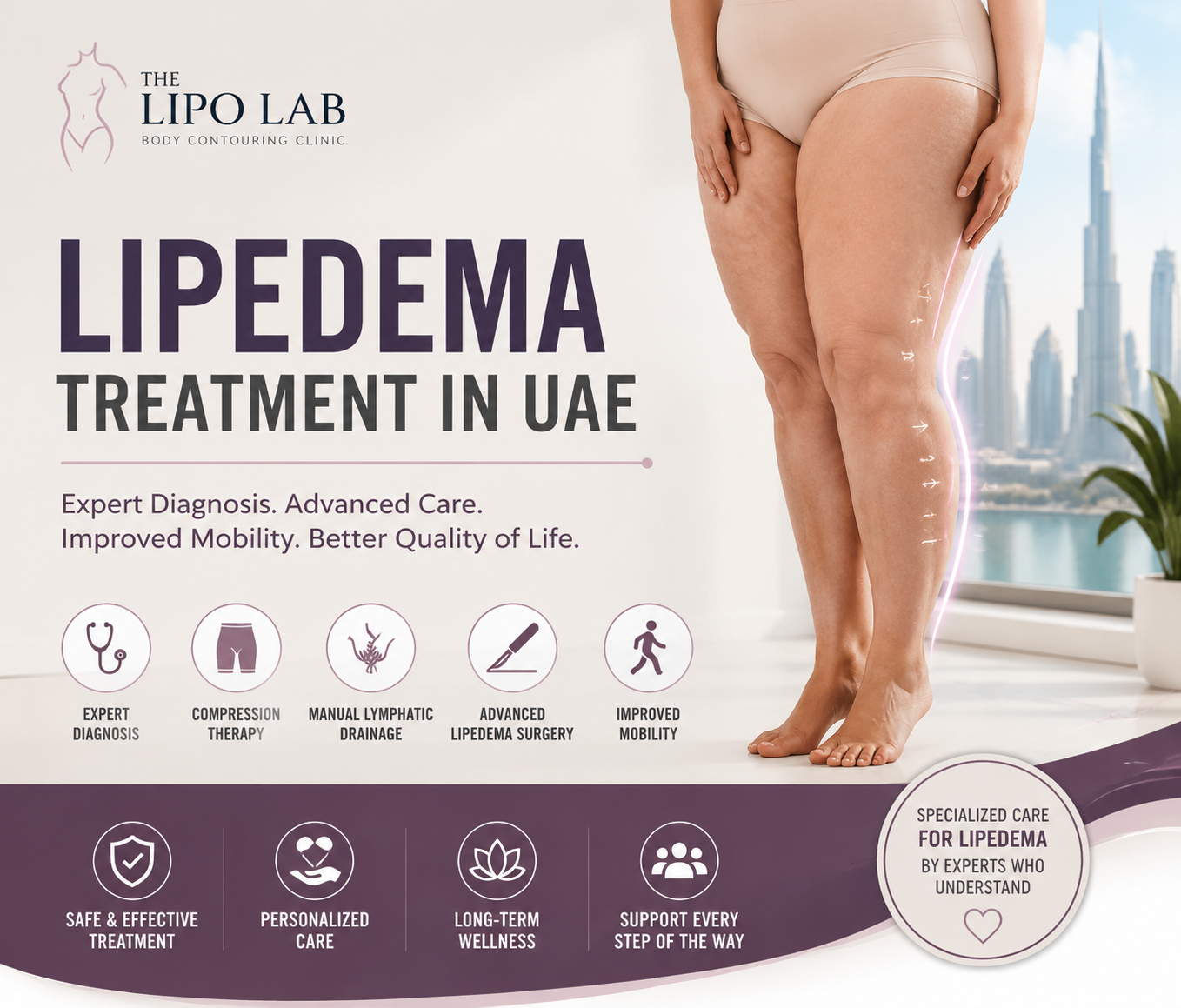
Lipedema is a condition that many people have never heard of until they begin experiencing its symptoms themselves. For countless women, the journey starts with a frustrating realization: despite eating healthy, exercising regularly, and maintaining an active lifestyle, their legs or arms continue to grow disproportionately larger. Friends and family may assume it’s simply weight gain, while healthcare providers unfamiliar with the condition may recommend stricter dieting or more exercise.
At The Lipo Lab, we understand that lipedema is far more than a cosmetic concern. It is a chronic medical condition that requires careful assessment, personalized treatment, and long-term support. Every patient’s journey is unique, and our goal is to provide compassionate care backed by modern medical expertise.
In this comprehensive guide, we’ll explore everything you need to know about Lipedema Treatment in UAE, beginning with a deeper understanding of the condition itself, its causes, symptoms, and stages.
What is Lipedema?
Lipedema is a chronic disorder of fat distribution that causes an abnormal buildup of fat cells, most commonly in the legs, hips, buttocks, and sometimes the arms. Unlike ordinary body fat, lipedema fat develops symmetrically on both sides of the body and is often accompanied by pain, tenderness, and easy bruising.
One of the most distinctive features of lipedema is that the feet and hands usually remain unaffected, creating a noticeable difference between the swollen limbs and the unaffected extremities. This characteristic helps doctors distinguish lipedema from other conditions such as lymphedema.
The condition almost exclusively affects women, although rare cases have been reported in men with hormonal disorders. Researchers believe female hormones play a significant role in its development because symptoms often appear or worsen during periods of hormonal change.
These may include:
- Puberty
- Pregnancy
- Menopause
- Hormonal treatments
Unlike obesity, lipedema cannot simply be “dieted away.” Patients often lose weight from their face, chest, or waist while the abnormal fat in their legs remains largely unchanged. This disproportionate appearance is one of the reasons many women seek specialist care.
Lipedema is Not Just About Appearance
One of the biggest misconceptions surrounding lipedema is that it is purely a cosmetic issue. While changes in body shape are often the most visible sign, the condition has significant physical and emotional consequences.
As lipedema progresses, patients may experience:
- Persistent pain in the affected limbs
- A feeling of heaviness throughout the day
- Tenderness when touched
- Frequent bruising without obvious injury
- Swelling that worsens after standing for long periods
- Reduced flexibility and mobility
- Difficulty participating in physical activities
For many women, these symptoms interfere with work, family life, exercise, and even simple daily tasks such as climbing stairs or walking long distances.
Beyond the physical discomfort, lipedema often affects mental well-being. Patients frequently describe years of frustration after being told their symptoms are caused by poor lifestyle choices, despite maintaining healthy habits. Receiving an accurate diagnosis can therefore be a life-changing moment, providing both relief and validation.
How Common is Lipedema?
Although awareness has increased in recent years, lipedema remains underdiagnosed around the world.
Medical experts estimate that millions of women are living with lipedema, yet many have never received a proper diagnosis. In some cases, patients spend 10 to 20 years seeking answers before consulting a specialist familiar with the condition.
This delay happens because lipedema shares symptoms with several other disorders, including obesity and lymphedema. Without specialized knowledge, these conditions can easily be confused.
As awareness grows within the UAE, more women are seeking evaluations earlier, allowing treatment to begin before the disease reaches advanced stages.
What Causes Lipedema?
The exact cause of lipedema has not yet been fully identified.
Hormonal Changes
One of the strongest clues lies in the timing of symptom onset. Many women first notice changes during puberty, while others develop symptoms after pregnancy or menopause.
Hormonal fluctuations appear to influence the abnormal growth of fat cells, although researchers continue to investigate the precise mechanisms involved.
Genetics
Family history is another important factor.
Many patients report that mothers, sisters, grandmothers, or aunts experienced similar symptoms, even if they were never formally diagnosed.
If multiple women within a family have disproportionately large legs accompanied by pain and easy bruising, lipedema may be the underlying cause.
Inflammation and Fat Tissue Changes
Emerging research suggests that chronic inflammation may contribute to the development of lipedema.
Affected fat tissue behaves differently from normal body fat. It tends to enlarge, become fibrotic over time, and resist traditional weight-loss methods.
This explains why patients often become discouraged after years of dieting with little improvement in the affected areas.
Lymphatic System Involvement
Although lipedema is different from lymphedema, the two conditions can become connected.
As lipedema progresses, enlarged fat deposits may place increasing pressure on nearby lymphatic vessels, reducing their ability to drain fluid effectively.
In advanced cases, this may lead to a secondary condition known as lipo-lymphedema, where both abnormal fat accumulation and lymphatic dysfunction occur together.
Recognizing the Symptoms of Lipedema
Symptoms vary from person to person, but there are several hallmark signs that distinguish lipedema from ordinary weight gain.
1. Symmetrical Fat Distribution
Both legs usually enlarge equally, creating a balanced but disproportionate appearance.
Unlike obesity, the fat accumulation is remarkably symmetrical.
2. Painful Fat Tissue
The affected areas often feel tender when touched.
Some patients describe a constant dull ache, while others experience sharp discomfort after standing or walking for long periods.
3. Easy Bruising
Many women notice unexplained bruises appearing on their legs or arms.
This occurs because the tiny blood vessels within affected tissues are often more fragile than normal.
4. Heavy Legs
Patients frequently describe their legs as feeling unusually heavy, particularly toward the end of the day.
This sensation can make everyday activities increasingly exhausting.
5. Swelling
Unlike simple water retention, swelling associated with lipedema may fluctuate throughout the day and often worsens after prolonged standing or sitting.
6. Resistant Fat Deposits
Perhaps the most frustrating symptom is that the affected fat remains despite healthy eating and regular exercise.
Patients often lose weight from the upper body while the lower body changes very little.
7. Mobility Challenges
As the condition advances, enlarged fat deposits may interfere with walking, climbing stairs, exercising, or maintaining balance.
Early treatment can help preserve mobility and reduce future complications.
Understanding the Stages of Lipedema
Lipedema is a progressive condition, meaning symptoms generally become more pronounced over time if left untreated. Recognizing the stage of the disease helps healthcare providers develop an appropriate treatment plan.
Stage 1: Early Lipedema
During the earliest stage, the skin surface usually appears smooth, although the layer of fat beneath the skin begins to thicken. Patients may notice that their legs feel unusually heavy by the end of the day, and mild tenderness or bruising may occur even after minor bumps.
At this point, many women assume they are simply gaining weight. Because outward changes are subtle, lipedema is often overlooked during this stage. However, early diagnosis can make a significant difference in slowing progression and improving long-term outcomes.
Stage 2: Developing Changes
As lipedema advances, the texture beneath the skin becomes uneven. Small nodules or firm areas of fat may develop, giving the tissue a lumpy feel. Swelling becomes more noticeable, especially after long periods of standing or sitting, and discomfort often increases.
Many patients begin experiencing greater difficulty finding clothing that fits comfortably, as the lower body enlarges while the upper body remains relatively unchanged.
Stage 3: Advanced Fat Accumulation
By Stage 3, larger deposits of abnormal fat begin to alter the body’s natural shape. Mobility may become more challenging, and daily activities such as walking, exercising, or climbing stairs often require greater effort. Pain, heaviness, and tenderness are usually more persistent, making this the stage when many patients seek specialist care.
Stage 4: Lipo-Lymphedema
If lipedema continues to progress without proper treatment, it may eventually reach Stage 4, also known as lipo-lymphedema.
At this stage, the abnormal fat deposits begin to place significant pressure on the lymphatic system. Since the lymphatic vessels are responsible for draining excess fluid from the body’s tissues, reduced function can lead to chronic swelling in addition to the existing fat accumulation.
Patients may experience:
- Increased heaviness in the legs or arms
- Tightness of the skin
- Greater difficulty walking
- Reduced range of motion
- Increased risk of skin infections
- Noticeable changes in skin texture
Daily activities such as climbing stairs, standing for extended periods, or even shopping can become physically exhausting. This is why early diagnosis and intervention are so important—they help reduce the risk of reaching this advanced stage.
Why Early Diagnosis Matters
Many women live with lipedema for years before receiving an accurate diagnosis. During this time, symptoms often worsen, making treatment more challenging.
Early diagnosis offers several important benefits:
- Slows disease progression
- Helps manage pain more effectively
- Preserves mobility
- Reduces swelling
- Improves quality of life
- Allows patients to make informed treatment decisions
- Prevents unnecessary frustration from ineffective weight-loss attempts
Perhaps the greatest benefit is emotional. For many patients, finally understanding that their symptoms have a medical explanation brings a sense of relief after years of self-blame.
How is Lipedema Diagnosed?
Unlike some medical conditions, there is currently no blood test or single scan that can definitively diagnose lipedema. Instead, diagnosis is based on a detailed clinical assessment performed by a healthcare professional experienced in recognizing the condition.
At The Lipo Lab, the diagnostic process begins with listening to the patient’s story. Understanding how symptoms developed over time often provides valuable clues that cannot be found through laboratory tests alone.
A comprehensive evaluation typically includes:
Medical History
The specialist will ask questions about:
- When symptoms first appeared
- Family history of similar body changes
- Previous weight-loss attempts
- Pain levels
- Swelling patterns
- Lifestyle and exercise habits
This information helps distinguish lipedema from other conditions with similar features.
Physical Examination
A careful physical examination is essential.
During the assessment, the specialist evaluates:
- Fat distribution
- Symmetry of the limbs
- Skin texture
- Presence of tenderness
- Areas of swelling
- Mobility
- Joint movement
- Overall body proportions
The doctor also checks whether the feet or hands are affected, as sparing of these areas is one of the classic signs of lipedema.
Ruling Out Other Conditions
Several medical conditions can resemble lipedema, making differential diagnosis an important step.
These include:
Obesity
While obesity affects fat distribution throughout the body, lipedema creates a characteristic disproportion between the upper and lower body. Additionally, lipedema fat is often painful and resistant to traditional weight loss.
Lymphedema
Lymphedema involves swelling caused by impaired lymphatic drainage and often affects the feet or hands. Lipedema typically spares these areas during its earlier stages.
Chronic Venous Disease
Poor vein function can also cause swelling, particularly in the legs. Additional testing may be recommended if venous disease is suspected.
Other Fat Disorders
Certain rare disorders involving abnormal fat distribution may also need to be excluded before confirming a diagnosis.
Can Imaging Help?
Although imaging is not always required, it may be useful in complex cases.
Depending on the patient’s symptoms, specialists may recommend:
- Ultrasound
- MRI
- Lymphatic imaging
- Venous ultrasound
These investigations help evaluate surrounding tissues and identify any associated lymphatic or vascular problems.
Conservative Lipedema Treatment
Not every patient requires surgery immediately. In fact, conservative treatment forms the foundation of lipedema management and remains important even after surgical intervention.
The goal is to:
- Reduce discomfort
- Improve mobility
- Manage swelling
- Protect lymphatic function
- Maintain long-term health
Treatment plans are individualized according to the patient’s stage of lipedema, symptoms, and lifestyle.
Compression Therapy
Compression garments are considered one of the most effective non-surgical treatments for lipedema.
These specially designed medical garments apply controlled pressure to affected areas, helping support circulation and reduce swelling.
Benefits include:
- Less heaviness
- Improved comfort
- Better mobility
- Reduced fluid accumulation
- Enhanced support during daily activities
Patients often notice that wearing properly fitted compression garments makes walking and standing much more comfortable.
At The Lipo Lab, compression garments are selected based on each patient’s body shape, treatment goals, and stage of lipedema to ensure both effectiveness and comfort.
Manual Lymphatic Drainage (MLD)
Manual Lymphatic Drainage is a specialized therapeutic massage performed by trained professionals.
Unlike traditional massage, MLD uses gentle, rhythmic movements to encourage lymphatic fluid to move more efficiently through the body.
Patients commonly report:
- Reduced swelling
- Lighter-feeling legs
- Improved flexibility
- Greater comfort
- Less tightness
While MLD does not remove lipedema fat, it plays an important role in managing associated swelling and improving daily quality of life.
Exercise: Moving Without Overloading the Body
Many patients avoid exercise because movement becomes painful. However, the right type of physical activity is actually one of the most effective ways to support long-term lipedema management.
The goal is not intense calorie burning but improving circulation, maintaining joint mobility, and strengthening muscles without placing excessive stress on the body.
Recommended activities include:
Walking
Regular walks improve blood flow and help maintain cardiovascular health without placing excessive strain on the joints.
Swimming
Water supports body weight, reducing pressure on painful limbs while providing gentle resistance for muscle strengthening.
Water Aerobics
Exercising in water combines movement with natural compression, making it especially beneficial for many lipedema patients.
Cycling
Stationary or outdoor cycling improves leg strength while remaining relatively low impact.
Yoga and Stretching
Gentle stretching helps maintain flexibility, improve posture, and reduce stiffness associated with limited mobility.
Consistency is far more valuable than intensity. Even moderate physical activity performed regularly can make a meaningful difference.
Nutrition and Lipedema
One of the most common questions patients ask is whether diet can cure lipedema.
The answer is no.
Healthy eating cannot eliminate lipedema fat because the condition involves abnormal fat tissue that behaves differently from ordinary body fat. However, nutrition remains an essential part of treatment.
A balanced eating plan can:
- Help maintain a healthy weight
- Reduce inflammation
- Support immune function
- Improve recovery after treatment
- Increase energy levels
- Protect overall health
Many specialists recommend emphasizing:
- Fresh vegetables
- Lean proteins
- Healthy fats
- Whole grains (as tolerated)
- Fruits in moderation
- Adequate hydration
At the same time, limiting highly processed foods, excessive sugar, and ultra-processed snacks may help reduce inflammation and support overall well-being.
Rather than promoting restrictive diets, The Lipo Lab encourages sustainable nutritional habits that patients can maintain over the long term.
Weight Management: Setting Realistic Expectations
Because lipedema fat is resistant to traditional weight loss, patients often become discouraged when the scale changes but their legs remain the same size.
It’s important to understand that maintaining a healthy weight still offers many benefits, including:
- Reduced stress on the joints
- Improved cardiovascular health
- Better mobility
- Easier recovery after treatment
- Lower risk of obesity-related conditions
The objective is not perfection but creating a healthier environment for the body while recognizing that lipedema requires specialized treatment beyond diet and exercise alone.
Building a Personalized Treatment Plan
No two cases of lipedema are exactly alike. Some patients experience mild discomfort with minimal swelling, while others struggle with advanced symptoms that affect nearly every aspect of daily life.
For this reason, treatment should always be personalized.
At The Lipo Lab, every care plan is developed after a detailed assessment of the patient’s symptoms, stage of lipedema, medical history, lifestyle, and goals. Conservative therapies such as compression, manual lymphatic drainage, exercise, and nutritional guidance often work together to improve comfort and prepare patients for the next stage of care if needed.
When is Surgery Recommended?
Not every patient with lipedema requires surgery immediately. Many individuals manage their symptoms successfully for years with conservative treatment. However, surgery may be recommended when symptoms continue to interfere with daily life despite appropriate non-surgical care.
A specialist may consider surgery if you experience:
- Persistent pain that affects everyday activities
- Difficulty walking or exercising
- Progressive enlargement of the legs or arms
- Significant heaviness that limits mobility
- Recurrent swelling despite compression therapy
- Poor response to conservative treatments
- Emotional distress caused by worsening symptoms
- Reduced quality of life
The decision is always based on a comprehensive medical assessment rather than appearance alone.
How Lipedema Liposuction Differs from Cosmetic Liposuction
Many patients assume that lipedema surgery is the same procedure performed for cosmetic body contouring. While both involve removing fat, their goals and techniques are very different.
Cosmetic Liposuction
Traditional cosmetic liposuction focuses on improving body shape by removing localized fat deposits from areas such as the abdomen, thighs, or arms. The primary objective is aesthetic enhancement.
Lipedema Liposuction
Lipedema surgery is performed to treat a chronic medical condition. The aim is to remove abnormal fat tissue while preserving delicate lymphatic vessels and minimizing trauma to surrounding structures.
The goals include:
- Reducing pain
- Improving mobility
- Decreasing limb heaviness
- Slowing disease progression
- Supporting lymphatic function
- Enhancing overall quality of life
Because of these differences, lipedema surgery should only be performed by surgeons experienced in treating the condition.
Preparing for Surgery
A successful outcome begins long before the procedure itself. Careful planning helps ensure patient safety and supports smoother recovery.
Before surgery, your specialist will typically:
- Review your complete medical history
- Perform a detailed physical examination
- Assess the stage of lipedema
- Evaluate skin quality and tissue characteristics
- Discuss your treatment goals
- Explain expected outcomes
- Review possible risks and complications
- Provide pre-operative instructions
Patients may also be advised to maintain a stable weight, stay physically active within their comfort level, and continue wearing compression garments before surgery.
At The Lipo Lab, preparation is viewed as an essential part of treatment. We believe informed patients make confident decisions and enjoy a more positive recovery experience.
What Happens During Lipedema Surgery?
Although every treatment plan is customized, the procedure generally follows a structured process.
After anesthesia is administered, a specialized fluid is introduced into the treatment area. This solution helps reduce bleeding, improve patient comfort, and make fat removal more precise.
Small incisions are then made, allowing fine cannulas to gently remove diseased fat tissue while preserving important blood vessels and lymphatic structures.
Depending on the extent of lipedema, treatment may focus on:
- Lower legs
- Thighs
- Hips
- Buttocks
- Arms
- Multiple areas over several staged procedures
Unlike cosmetic surgery, the emphasis is not on dramatic reshaping but on improving function and relieving symptoms.
Benefits of Lipedema Surgery
Every patient’s experience is unique, but many report life-changing improvements after successful treatment.
Common benefits include:
Reduced Pain
One of the first improvements many patients notice is a significant reduction in tenderness and aching.
Activities that once caused discomfort may gradually become much easier.
Improved Mobility
Walking longer distances often becomes more comfortable after surgery.
Many patients return to hobbies, exercise, and daily routines that had become increasingly difficult.
Lighter Legs
Patients frequently describe their legs as feeling “lighter.”
This reduction in heaviness can dramatically improve everyday comfort.
Better Body Proportions
Although surgery is not performed primarily for cosmetic reasons, removing abnormal fat tissue often creates a more balanced body shape.
Many patients report finding it easier to purchase clothing and feeling more confident in their appearance.
Improved Emotional Well-Being
Living with chronic pain and years of misunderstanding can take a significant emotional toll.
Following treatment, patients often describe:
- Increased confidence
- Better self-esteem
- Improved mental well-being
- Greater motivation to stay active
- Renewed optimism about the future
Recovery After Lipedema Surgery
Healing takes time, and recovery varies from one patient to another.
During the first few weeks, patients commonly experience:
- Swelling
- Bruising
- Mild discomfort
- Temporary numbness
- Tightness in treated areas
These symptoms gradually improve as healing progresses.
Compression Garments: A Key Part of Recovery
Compression garments remain one of the most important aspects of post-operative care.
Following surgery, they help:
- Reduce swelling
- Support healing tissues
- Improve comfort
- Encourage smoother body contours
- Assist lymphatic drainage
Patients are usually advised to wear their garments consistently during the initial recovery period before gradually reducing wear according to their surgeon’s guidance.
Returning to Daily Activities
Recovery timelines vary depending on the extent of surgery.
Many patients are able to:
- Walk short distances within a day or two
- Resume light daily activities after several days
- Return to office-based work within one to two weeks, depending on the procedure
- Gradually increase physical activity over the following weeks
More demanding exercise should only resume after approval from the treating surgeon.
Listening to your body and following medical advice are essential for optimal healing.
Are the Results Permanent?
One of the most common questions patients ask is whether lipedema surgery permanently removes diseased fat.
The abnormal fat cells removed during surgery do not regenerate. However, lipedema is considered a chronic condition, and ongoing management remains important.
Long-term success depends on:
- Wearing compression garments when recommended
- Maintaining a healthy lifestyle
- Staying physically active
- Managing body weight
- Attending follow-up appointments
- Addressing new symptoms promptly
Surgery should therefore be viewed as one important part of a comprehensive treatment strategy rather than a standalone cure.
Understanding the Risks
Like any surgical procedure, lipedema surgery carries potential risks.
Possible complications may include:
- Infection
- Bleeding
- Temporary numbness
- Swelling
- Bruising
- Fluid accumulation
- Irregular contours
- Delayed healing
Choosing an experienced surgical team significantly reduces these risks through careful planning, meticulous technique, and comprehensive aftercare.
Patients should always have realistic expectations and openly discuss any concerns during their consultation.
Why Experience Matters
Treating lipedema requires much more than technical surgical skill.
An experienced specialist understands:
- The progression of the disease
- Lymphatic anatomy
- Safe fat removal techniques
- Individual differences between patients
- Long-term management strategies
- The emotional impact of living with lipedema
This expertise helps create safer procedures and more meaningful improvements in quality of life.
Why Patients Choose The Lipo Lab
Choosing the right clinic can make a significant difference throughout your treatment journey.
At The Lipo Lab, our philosophy goes beyond performing procedures. We focus on delivering compassionate, evidence-based care that addresses both the physical and emotional aspects of lipedema.
Patients trust us because we offer:
- Comprehensive lipedema assessments
- Individualized treatment planning
- Advanced surgical techniques
- Patient-focused education
- Ongoing recovery support
- Long-term follow-up care
- A commitment to safety and natural, functional outcomes
Every recommendation is based on your unique condition, symptoms, and goals rather than a one-size-fits-all approach.
Whether surgery is appropriate now or later, our team works with you to develop a treatment plan that supports your health, mobility, and overall well-being.
Frequently Asked Questions
Can lipedema be cured?
At present, there is no complete cure for lipedema. However, with the right combination of conservative therapies and, when appropriate, specialized surgery, many patients experience lasting improvements in pain, mobility, and daily function.
Is lipedema hereditary?
Research suggests that genetics play a significant role. Many women with lipedema have close family members who experienced similar symptoms.
Does everyone with lipedema need surgery?
No. Treatment depends on the stage of the disease, symptom severity, and how well conservative therapies control discomfort. Some patients benefit greatly from non-surgical management, while others may require surgery to achieve meaningful improvement.
How long does recovery after lipedema surgery take?
Recovery varies depending on the number of areas treated and each patient’s overall health. Most people gradually return to normal activities over several weeks while continuing to wear compression garments and attend follow-up appointments.
Will lipedema come back after surgery?
The abnormal fat cells removed during surgery do not regenerate. However, lipedema is a chronic condition, so ongoing lifestyle management and medical follow-up remain important for maintaining long-term results.