
Top Vascular Surgeon in Dubai for Vein and Artery Disorders in 2026
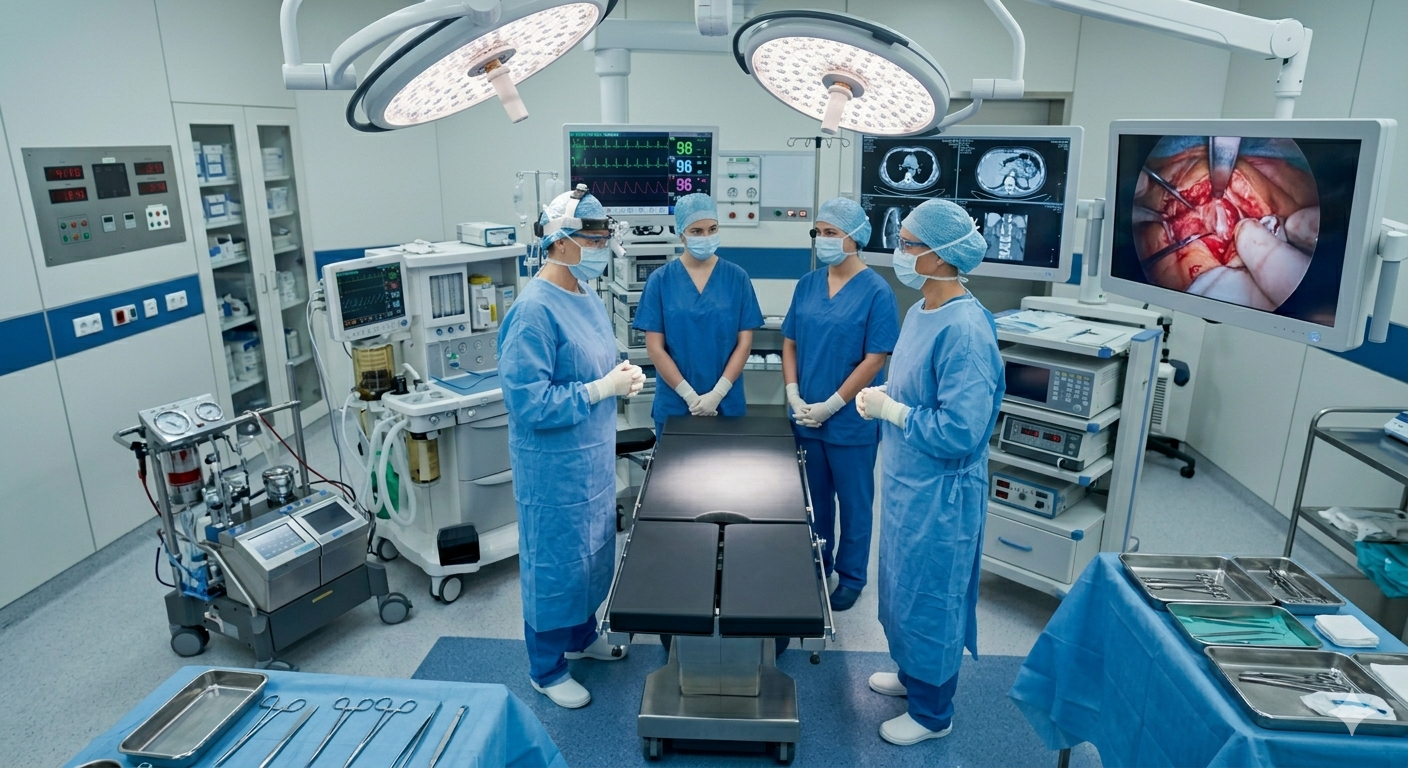
Vascular diseases affect the arteries, veins, and lymphatic system, often leading to pain, swelling, circulation problems, and potentially life-threatening complications if left untreated. Finding the right vascular surgeon in Dubai is essential for accurate diagnosis, advanced treatment, and long-term vascular health management.
Dubai has become a leading destination for advanced vascular surgery because of its modern hospitals, minimally invasive technologies, internationally trained specialists, and comprehensive patient care. From varicose veins and deep vein thrombosis (DVT) to peripheral artery disease and aneurysm repair, Vascular Treatments in Dubai offer a wide range of specialized procedures designed to restore healthy circulation and improve quality of life.
What is a Vascular Surgeon?
A vascular surgeon is a medical specialist trained to diagnose and treat diseases affecting:
- Arteries
- Veins
- Lymphatic vessels
- Blood circulation system
Unlike cardiologists who focus mainly on the heart, vascular surgeons manage circulation throughout the body except for the brain and heart itself.
Modern vascular surgeons perform both:
- Open surgical procedures
- Minimally invasive endovascular treatments
Many vascular conditions today can be treated without major surgery using laser therapy, catheter-based interventions, ultrasound-guided procedures, and vascular stenting.
Why Patients Visit a Vascular Surgeon in Dubai
Patients commonly seek vascular care for:
- Leg swelling
- Varicose veins
- Spider veins
- Poor circulation
- Diabetic foot ulcers
- Leg pain while walking
- Blood clots
- Non-healing wounds
- Peripheral artery disease
- Lymphedema
- Aneurysms
Dubai’s vascular specialists are increasingly focused on minimally invasive treatments that reduce hospital stays and speed up recovery.
Common Vascular Conditions Treated in Dubai
Varicose Veins
Varicose veins are enlarged, twisted veins usually appearing in the legs. They develop when vein valves weaken and blood pools inside the veins.
Symptoms
- Heavy legs
- Swelling
- Aching pain
- Burning sensation
- Visible blue or purple veins
- Night cramps
Risk Factors
- Pregnancy
- Obesity
- Standing for long hours
- Family history
- Aging
Modern vein clinics in Dubai now use minimally invasive treatments such as:
- Endovenous laser therapy (EVLT)
- Radiofrequency ablation (RFA)
- Sclerotherapy
- Glue ablation
- Microphlebectomy
These procedures often require little downtime.
Deep Vein Thrombosis (DVT)
DVT occurs when a blood clot forms in a deep vein, usually in the leg.
Symptoms
- Sudden swelling
- Pain
- Warmth
- Redness
- Tightness in the calf
DVT is dangerous because clots can travel to the lungs and cause pulmonary embolism.
DVT Treatments
Vascular surgeons may recommend:
- Blood thinners
- Compression therapy
- Catheter-directed thrombolysis
- Venous thrombectomy
Dubai vascular centers provide advanced imaging and emergency vascular intervention for DVT management.
Peripheral Artery Disease (PAD)
Peripheral artery disease develops when arteries become narrowed due to plaque buildup, reducing blood flow to the legs.
Common Symptoms
- Leg pain while walking
- Cold feet
- Numbness
- Slow-healing wounds
- Weak pulses
- Skin discoloration
PAD is strongly linked to:
- Diabetes
- Smoking
- High cholesterol
- Hypertension
Treatment Options
- Lifestyle modification
- Medication
- Angioplasty
- Arterial stenting
- Atherectomy
- Bypass surgery
Advanced endovascular procedures are widely available in Dubai hospitals.
Aortic Aneurysms
An aneurysm is a weakened bulging area in an artery wall, often affecting the abdominal aorta.
Symptoms
Many aneurysms remain silent until rupture, which becomes life-threatening.
Treatments
- Endovascular aneurysm repair (EVAR)
- Open aneurysm surgery
- Stent graft placement
Early diagnosis through vascular imaging is critical.
Carotid Artery Disease
The carotid arteries supply blood to the brain. Blockages increase stroke risk.
Warning Signs
- Temporary vision loss
- Weakness
- Speech difficulty
- Mini-strokes (TIA)
Treatment Methods
- Carotid endarterectomy
- Carotid artery stenting
- Stroke prevention programs
Many vascular centers in Dubai work alongside neurologists and cardiologists for integrated stroke prevention.
Lymphedema and Chronic Leg Swelling
Lymphedema occurs when lymphatic drainage becomes impaired, causing persistent swelling.
Symptoms
- Heavy legs
- Skin thickening
- Tightness
- Recurrent infections
Treatments
- Compression therapy
- Lymphatic drainage massage
- Specialized garments
- Exercise therapy
- Vascular assessment
Several Dubai vascular clinics now combine vascular and lymphatic care for chronic swelling management.
Diabetic Foot and Wound Care
Diabetes can damage blood vessels and nerves, leading to poor circulation and slow wound healing.
Vascular Surgeons Help Prevent:
- Foot ulcers
- Infections
- Gangrene
- Amputation
Treatment May Include
- Revascularization procedures
- Wound care
- Angioplasty
- Blood flow restoration
- Infection control
Early vascular assessment significantly improves outcomes in diabetic patients.
Modern Vascular Treatments Available in Dubai
Endovascular Surgery
Endovascular surgery uses catheters inserted through tiny incisions to treat vascular disease internally.
Benefits
- Minimal scarring
- Faster recovery
- Reduced pain
- Shorter hospital stay
- Lower complication risk
Common procedures include:
- Angioplasty
- Stenting
- EVAR
- Thrombectomy
Endovenous Laser Treatment (EVLT)
EVLT is widely used for varicose vein treatment.
How EVLT Works
A laser fiber is inserted into the diseased vein to seal it closed.
Advantages
- No major surgery
- Minimal downtime
- Outpatient procedure
- Fast recovery
Dubai vascular clinics increasingly prefer EVLT because of its effectiveness and cosmetic outcomes.
Radiofrequency Ablation (RFA)
RFA uses heat generated by radiofrequency energy to close damaged veins.
Benefits
- Less bruising
- Quick treatment
- Reduced discomfort
- Rapid return to work
This technique is commonly used for chronic venous insufficiency.
Sclerotherapy
Sclerotherapy involves injecting a special solution into small varicose or spider veins.
Ideal For
- Spider veins
- Small varicose veins
- Cosmetic vein treatment
Multiple sessions may be needed for optimal results.
Vascular Diagnostic Tests
Doppler Ultrasound
A non-invasive imaging test used to evaluate blood flow.
It helps diagnose:
- DVT
- Venous insufficiency
- Arterial blockages
CT Angiography
Provides detailed vascular imaging for aneurysms and arterial disease.
Ankle-Brachial Index (ABI)
Measures blood flow in the legs and helps diagnose PAD.
Angiography
Uses contrast dye and imaging to identify narrowed or blocked arteries.
Symptoms You Should Never Ignore
Consult a vascular surgeon immediately if you experience:
- Sudden leg swelling
- Non-healing wounds
- Leg pain during walking
- Skin discoloration
- Bulging veins
- Persistent numbness
- Cold extremities
- Sudden chest pain after leg swelling
- Ulcers on feet or legs
Early intervention often prevents severe complications.
Risk Factors for Vascular Disease
Several lifestyle and medical conditions increase vascular disease risk:
- Smoking
- Diabetes
- Obesity
- High cholesterol
- Hypertension
- Sedentary lifestyle
- Family history
- Aging
Heat exposure and prolonged standing may also worsen venous conditions in Dubai’s climate.
How to Choose the Best Vascular Surgeon in Dubai
Look for Specialized Training
Choose surgeons with:
- Board certifications
- Endovascular expertise
- International training
- Hospital affiliations
Many Dubai vascular surgeons have UK, European, or US training backgrounds.
Evaluate Treatment Technology
Modern vascular centers should offer:
- Duplex ultrasound
- Laser vein treatment
- Endovascular surgery
- Minimally invasive procedures
- Advanced imaging
Technology improves accuracy and recovery outcomes.
Review Experience and Procedure Volume
Experienced vascular surgeons often manage:
- Complex arterial disease
- Aneurysm repair
- Venous interventions
- Diabetic vascular care
Some specialists in Dubai report thousands of vascular procedures and extensive ultrasound experience.
Importance of Personalized Treatment
No two vascular patients are alike.
The best vascular surgeons create individualized treatment plans based on:
- Disease severity
- Lifestyle
- Medical history
- Cosmetic goals
- Recovery expectations
Comprehensive care improves long-term results.
Recovery After Vascular Procedures
Recovery depends on the treatment type.
Minimally Invasive Procedures
Patients often:
- Walk the same day
- Return to work quickly
- Experience minimal discomfort
Open Vascular Surgery
Recovery may involve:
- Hospital stay
- Wound care
- Rehabilitation
- Activity restrictions
Following post-treatment instructions is essential for healing.
Lifestyle Changes for Long-Term Vascular Health
Regular Exercise
Walking improves circulation and vascular function.
Healthy Diet
Reduce:
- Saturated fats
- Excess sugar
- Processed foods
Increase:
- Fiber
- Fruits
- Vegetables
- Lean protein
Weight Management
Excess weight increases pressure on veins and arteries.
Smoking Cessation
Smoking significantly damages blood vessels and circulation.
Compression Therapy
Compression stockings help improve venous return and reduce swelling.
The Role of The Lipo Lab in Vascular and Swelling-Related Care
The Lipo Lab focuses on advanced care for conditions involving chronic swelling, lipedema, lymphedema, and vascular-related leg symptoms. Many patients with swelling disorders may also require vascular assessment because venous insufficiency and lymphatic dysfunction frequently overlap.
A multidisciplinary approach combining vascular evaluation, compression therapy, minimally invasive procedures, and lymphatic care can significantly improve patient outcomes and quality of life.
Frequently Asked Questions
When should I see a vascular surgeon?
You should consult a vascular surgeon if you have:
- Persistent leg swelling
- Varicose veins
- Poor circulation
- Leg ulcers
- Blood clot symptoms
- Chronic leg pain
Are vascular procedures painful?
Most minimally invasive Vascular Treatments in Dubai involve little discomfort and use local anesthesia.
How long does recovery take after vein treatment?
Many patients resume normal activities within a few days after minimally invasive procedures.
Can vascular disease be prevented?
Yes. Lifestyle modifications such as exercise, healthy eating, smoking cessation, and diabetes management reduce vascular disease risk.
Is vascular surgery safe?
Modern vascular surgery is highly advanced, especially minimally invasive endovascular techniques that lower complication rates and improve recovery.