
Vascular Surgeon in Dubai: What Patients Should Really Know Before Choosing One
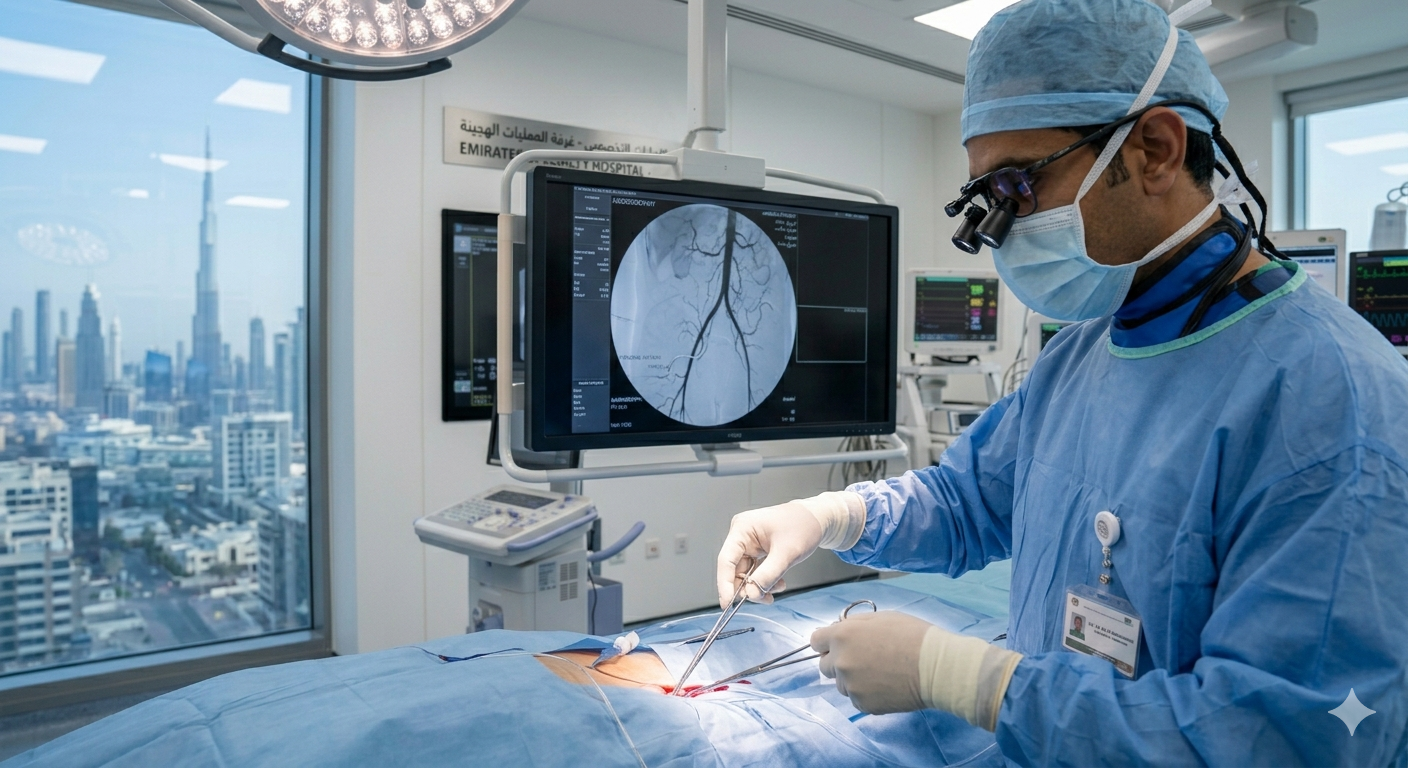
Finding the right vascular surgeon is not usually something people plan for in advance. Most patients begin searching after months—or sometimes years—of discomfort. Swollen legs, visible veins, heaviness while walking, persistent cramps, or unexplained circulation issues often start as “minor” concerns before they slowly interfere with daily life.
In a city like Dubai, healthcare options are extensive, which is both a benefit and a challenge. You can find highly trained specialists from around the world, advanced diagnostic technology, and modern treatment facilities. But at the same time, the sheer number of clinics and specialists can make it difficult to know who genuinely understands vascular conditions beyond surface-level treatment.
That distinction matters more than most people realize.
At The Lipo Lab, patients often arrive after trying temporary fixes elsewhere—compression socks without proper diagnosis, cosmetic vein procedures that ignored underlying circulation issues, or consultations that focused only on appearance instead of long-term vascular health. A thoughtful Vascular Surgeon in Dubai looks deeper than visible symptoms.
What Does a Vascular Surgeon Actually Treat?
Many people assume vascular surgeons only handle varicose veins. In reality, vascular medicine is far broader.
A vascular surgeon specializes in conditions affecting the blood vessels—arteries, veins, and lymphatic circulation—throughout the body. Some issues are cosmetic, but many are medical conditions that can worsen if ignored.
Common conditions include:
- Varicose veins
- Spider veins
- Chronic venous insufficiency
- Deep vein thrombosis (DVT)
- Peripheral artery disease
- Leg swelling and fluid retention
- Lymphedema
- Lipedema-related vascular complications
- Diabetic circulation problems
- Non-healing leg wounds
What makes vascular disorders difficult is that symptoms often overlap with unrelated conditions. Leg heaviness can resemble fatigue. Swelling may be blamed on weight gain or aging. Numbness might be mistaken for orthopedic problems.
An experienced vascular surgeon understands how to connect these symptoms instead of treating them separately.
Why Vascular Problems Are Increasing in Dubai
Long office hours, extended sitting, reduced physical activity, frequent travel, and high temperatures can all affect circulation. Many professionals spend entire days seated at desks or in vehicles, while others stand for prolonged hours in hospitality, aviation, healthcare, or retail industries.
Over time, veins struggle to move blood efficiently back toward the heart. Pressure builds in the legs, valves weaken, and symptoms begin gradually.
For women especially, hormonal changes, pregnancy, and genetic predisposition can increase the likelihood of vascular issues. Some patients also develop circulation complications alongside lipedema or lymphedema, which require a more specialized and multidisciplinary approach.
Signs You Should See a Vascular Surgeon
Patients often wait too long before consulting a specialist because symptoms develop slowly.
Certain warning signs should not be ignored:
Persistent Leg Swelling
Occasional swelling after travel is common. Constant swelling, especially in one leg or worsening throughout the day, deserves evaluation.
Aching or Heavy Legs
Many patients describe their legs as feeling “tired” even after minimal activity. This heaviness often points toward venous insufficiency.
Visible Veins
Bulging or twisted veins may appear cosmetic initially, but they frequently indicate underlying vein dysfunction.
Skin Changes
Darkening skin near the ankles, dryness, itching, or thickened skin can signal chronic circulation problems.
Cramping at Night
Recurring cramps, particularly in the calves, may be linked to vascular insufficiency.
Slow-Healing Wounds
Poor circulation can significantly delay healing in the legs and feet.
Describe the Cosmetic Vein Treatment and Real Vascular Care
This is where patients sometimes get misled.
Not every clinic offering vein procedures provides comprehensive vascular treatment. Some centers focus almost entirely on cosmetic improvement without thoroughly investigating the underlying circulation problem.
A qualified vascular surgeon approaches treatment differently.
They typically begin with:
- Detailed medical history
- Physical examination
- Doppler ultrasound imaging
- Circulation assessment
- Evaluation of risk factors
- Long-term treatment planning
The goal is not simply making veins less visible. It is restoring healthy circulation and preventing progression.
This difference becomes especially important for patients dealing with recurrent swelling, lipedema, obesity-related circulation issues, or chronic venous disease.
Modern Vascular Treatments Available in Dubai
The good news is that vascular treatment has evolved dramatically over the last decade.
Many procedures that once required hospitalization and lengthy recovery are now minimally invasive and performed on an outpatient basis.
Endovenous Laser Treatment (EVLT)
Laser energy is used to close damaged veins from the inside. Blood naturally reroutes through healthier veins.
Recovery is generally faster than traditional surgery.
Radiofrequency Ablation
This technique uses heat generated by radiofrequency energy to seal problematic veins with minimal discomfort.
Sclerotherapy
A specialized solution is injected into smaller veins, causing them to collapse and gradually fade.
VenaSeal
A medical adhesive is used to close diseased veins without thermal energy.
Compression Therapy
Still important in many cases, especially for managing swelling and supporting recovery.
Surgical Intervention
For advanced vascular disease, surgery may still be necessary, although modern techniques are less invasive than older approaches.
At specialized clinics like The Lipo Lab, vascular evaluation is often integrated with lymphatic and lipedema-focused care, which can improve long-term outcomes for complex patients.
Why Experience Matters More Than Marketing
Dubai’s healthcare sector is highly competitive. Many clinics advertise advanced treatments, but technology alone does not guarantee quality care.
The surgeon’s judgment matters far more.
Experienced vascular surgeons know:
- When surgery is necessary
- When conservative treatment is better
- How to identify hidden circulation disorders
- How vascular disease overlaps with lymphatic conditions
Good vascular care is rarely about performing the most procedures. It is about choosing the right treatment at the right time.
Patients should feel comfortable asking questions during consultations:
- What is causing my symptoms?
- Is this condition progressive?
- Are there non-surgical options?
- What results are realistic?
- How often does recurrence happen?
- What does recovery actually involve?
Clear answers usually indicate a thoughtful specialist.
Vascular Health and Lipedema: An Overlooked Connection
One of the most misunderstood areas in modern vascular medicine involves lipedema and lymphatic disorders.
Many women struggling with disproportionate leg enlargement are mistakenly told their symptoms are simply related to weight gain. In reality, lipedema is a chronic medical condition involving abnormal fat distribution, inflammation, and circulation dysfunction.
Vascular symptoms frequently overlap:
- Swelling
- Leg pain
- Easy bruising
- Heaviness
- Tenderness
- Reduced mobility
Because of this overlap, patients benefit from specialists who understand both vascular and lymphatic systems together.
At The Lipo Lab, this combined perspective is an important part of treatment planning. Instead of viewing vascular symptoms in isolation, the clinic considers how circulation, lymphatic drainage, and inflammatory conditions interact.
That broader understanding often leads to more accurate diagnoses.
What Recovery Looks Like After Treatment
One reason many people postpone vascular treatment is fear of recovery.
Modern procedures are usually much easier than patients expect.
Most minimally invasive vein treatments involve:
- Local anesthesia
- Same-day discharge
- Walking immediately afterward
- Minimal scarring
- Faster return to normal activities
However, recovery still depends on:
- Severity of the condition
- Overall vascular health
- Weight and mobility
- Presence of lymphatic disease
- Compliance with compression therapy
Good surgeons set realistic expectations rather than promising instant transformation.
Some symptoms improve quickly. Others—especially swelling and skin changes—may take months to stabilize.
Choosing the Right Vascular Surgeon in Dubai
Patients often focus heavily on social media presence or before-and-after photos. While visuals can be helpful, they should never be the main deciding factor.
Instead, look for:
- Board certification
- Vascular specialization
- Experience with complex circulation disorders
- Comprehensive diagnostic evaluation
- Transparent communication
- Multidisciplinary treatment options
- Personalized care planning
A consultation should feel educational, not rushed.
The best vascular surgeons explain not only what treatment they recommend, but why.
The Emotional Side of Vascular Conditions
This part is rarely discussed openly.
Chronic vascular issues can quietly affect confidence, mobility, energy levels, and emotional wellbeing. Patients may avoid certain clothing, social activities, travel, or exercise because of discomfort or embarrassment.
For those dealing with swelling disorders or visible veins, frustration often builds gradually.
Good treatment is not only about improving circulation.
That is why patient-centered care matters. People want to feel heard—not processed through a system.
Clinics that take time to understand the full picture usually create better long-term outcomes.
Prevention Still Matters
Even after successful treatment, vascular health requires ongoing attention.
Simple habits can make a meaningful difference:
- Regular movement throughout the day
- Maintaining healthy circulation through exercise
- Avoiding prolonged sitting or standing
- Wearing compression garments when recommended
- Managing weight carefully
- Staying hydrated
- Monitoring changes in symptoms early
Prevention becomes even more important for patients with family history, pregnancy-related vein issues, or chronic lymphatic conditions.
FAQs
1. When should I see a vascular surgeon instead of a general doctor?
You should consider seeing a vascular surgeon if you have ongoing leg swelling, visible veins, circulation issues, persistent leg pain, skin discoloration, or slow-healing wounds. These symptoms often require specialized vascular evaluation beyond routine care.
2. Are varicose veins only a cosmetic issue?
No. While some varicose veins are primarily cosmetic, many indicate underlying venous insufficiency or circulation dysfunction. Left untreated, they can worsen over time and lead to complications such as swelling, pain, or skin changes.
3. Is vascular treatment painful?
Most modern vascular treatments are minimally invasive and involve very little discomfort. Procedures like laser vein treatment or radiofrequency ablation are typically performed under local anesthesia with relatively quick recovery times.
4. Can vascular problems come back after treatment?
Yes, recurrence is possible, especially if underlying risk factors remain. Genetics, lifestyle, hormonal changes, obesity, and prolonged standing or sitting can all contribute to future vein problems. Long-term management is important.
5. Does lipedema affect vascular health?
Yes. Lipedema often overlaps with vascular and lymphatic dysfunction. Patients may experience swelling, heaviness, tenderness, and circulation-related symptoms that require a more comprehensive treatment approach involving vascular and lymphatic expertise.