
Compression Garments in UAE: A Complete Guide to Recovery, Circulation, and Long-Term Leg Health
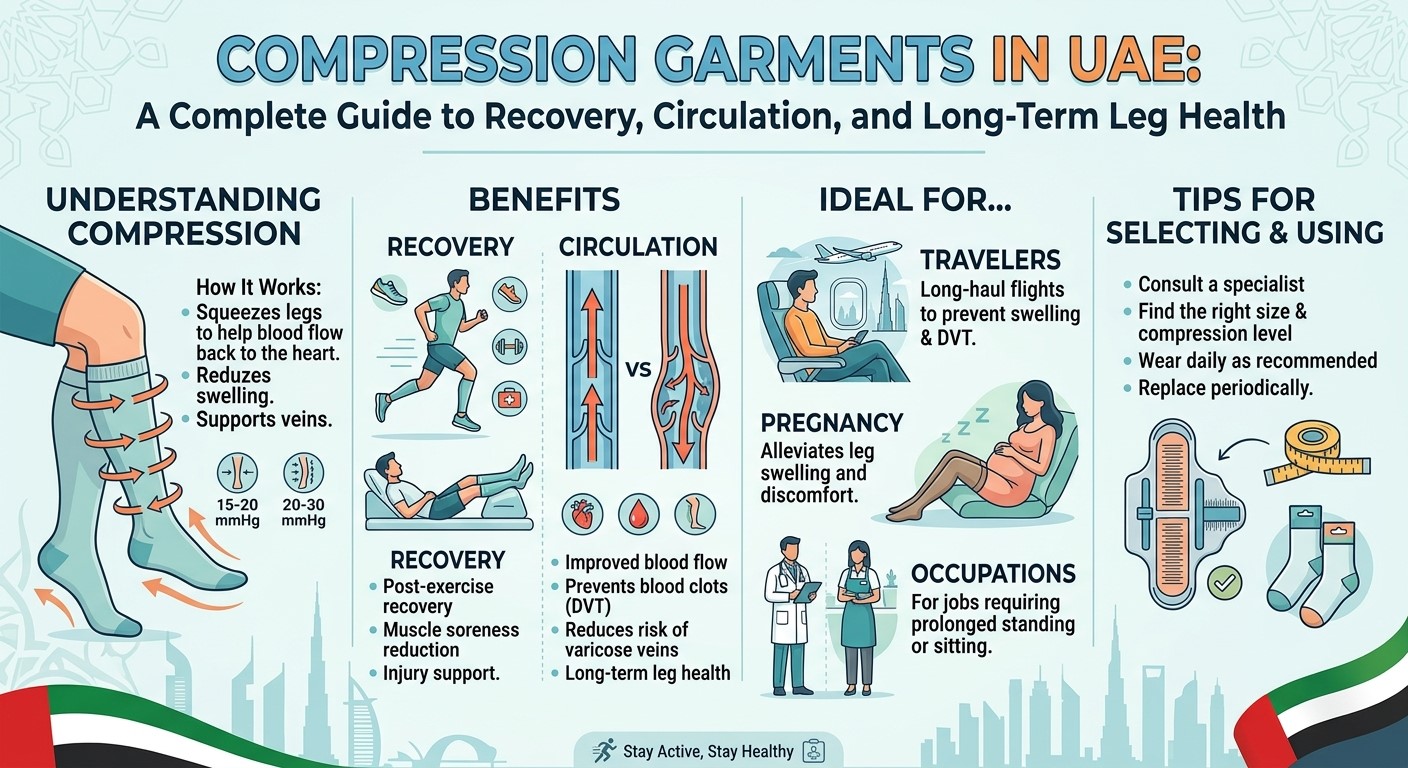
Most people don’t think about compression garments until a doctor recommends them. At first glance, they may look like ordinary stockings, sleeves, or tight-fitting clothing, but they play a far greater role than many realize. For patients recovering from surgery, managing chronic swelling, or living with vascular and lymphatic conditions, the right compression garment can become an essential part of everyday life.
Imagine a woman who has recently undergone liposuction. Her procedure went well, and she’s excited about the results, but within a few days, she begins to notice swelling and mild discomfort. Her surgeon explains that this is a normal part of healing and recommends wearing a medical-grade compression garment. A few weeks later, she finds that the swelling has reduced significantly, movement has become more comfortable, and her body is adapting well to its new contours.
Now consider another patient a middle-aged office worker who spends long hours sitting at a desk. By the end of each day, his ankles feel swollen, his legs feel unusually heavy, and he notices sock marks that remain visible long after removing them. After a thorough medical evaluation, he learns that poor circulation is contributing to his symptoms. Compression therapy becomes one of the key elements of his treatment plan, helping improve comfort and support healthy blood flow.
These situations are different, yet they share one important solution: properly fitted compression garments.
At The Lipo Lab, we help patients understand that Compression Garments in UAE are not simply accessories or recovery wear. They are carefully designed medical devices that support circulation, reduce swelling, protect healing tissues, and improve comfort during recovery and long-term management of vascular and lymphatic conditions.
What are Compression Garments?
Compression garments are specially designed medical garments that apply controlled pressure to specific areas of the body. Unlike regular shapewear or athletic compression clothing, medical compression garments are created with therapeutic pressure levels that support the body’s natural circulation.
They are commonly recommended for individuals recovering from surgery, managing chronic swelling, or living with conditions that affect the veins and lymphatic system.
Compression garments may include:
- Compression stockings
- Compression sleeves
- Compression leggings
- Compression shorts
- Abdominal binders
- Full-body post-surgical garments
- Custom-made compression garments
Each garment is designed for a specific medical purpose and should be selected according to the patient’s condition, body measurements, and treatment goals.
How Compression Therapy Works
To understand why compression garments are so effective, it helps to understand how blood and lymphatic fluid normally move through the body.
Your veins carry blood back toward the heart, while your lymphatic system removes excess fluid and waste products from tissues. When either of these systems becomes less efficient, fluid can begin to collect in the legs or arms, leading to swelling, heaviness, and discomfort.
Compression garments apply graduated pressure, meaning the pressure is greatest at the lower part of the limb and gradually decreases higher up.
This gentle pressure helps:
- Improve venous blood flow
- Encourage lymphatic drainage
- Reduce fluid accumulation
- Minimize swelling
- Support healing tissues
- Improve overall comfort
Rather than forcing circulation, compression garments work alongside the body’s natural systems to improve fluid movement and reduce strain on the affected areas.
Why Compression Garments Are So Important
Many patients underestimate how much recovery depends on proper aftercare.
Whether someone has undergone liposuction or is managing chronic venous disease, compression therapy often becomes one of the most valuable parts of treatment.
Some of the key benefits include:
Reduced Swelling
One of the primary reasons specialists recommend compression garments is to control swelling.
Following surgery or injury, the body naturally sends fluid to the affected area as part of the healing process. Compression helps prevent excessive fluid accumulation, allowing swelling to resolve more efficiently.
Improved Circulation
Healthy circulation is essential for delivering oxygen and nutrients throughout the body.
Compression garments support blood flow by helping veins return blood toward the heart more effectively, particularly in the legs where gravity makes circulation more challenging.
Greater Comfort During Daily Activities
Patients often describe their legs as feeling lighter and less fatigued while wearing properly fitted compression garments.
Simple activities such as walking, shopping, or standing for extended periods often become noticeably more comfortable.
Better Support During Recovery
Following liposuction or vascular procedures, tissues require time to heal and adapt.
Compression garments provide gentle support during this process, helping patients feel more comfortable while promoting smoother recovery.
Different Types of Compression Garments
Compression therapy is not a one-size-fits-all treatment.
Different conditions require different garments.
Compression Stockings
These are the most commonly prescribed garments.
They are often recommended for:
- Varicose veins
- Chronic venous insufficiency
- Leg swelling
- Pregnancy-related swelling
- Long-distance travel
Stockings may extend to the knee or thigh depending on the patient’s condition.
Compression Sleeves
Compression sleeves are typically used for patients experiencing swelling in the arms.
They are frequently recommended following breast cancer treatment or for individuals living with upper-limb lymphedema.
Post-Surgical Compression Garments
After liposuction, patients may wear specially designed garments that provide even pressure across treated areas.
These garments help support healing while reducing swelling and improving comfort.
Compression Leggings and Shorts
These garments provide support for larger treatment areas and may be recommended following body contouring procedures involving the abdomen, hips, thighs, or buttocks.
Custom Compression Garments
Some patients require garments made specifically for their body measurements.
Custom garments are particularly beneficial for individuals with advanced lymphedema or unique anatomical needs where standard sizes may not provide effective compression.
Understanding Compression Levels
Not all compression garments apply the same amount of pressure.
Medical compression is measured in millimeters of mercury (mmHg), and different levels are recommended depending on the patient’s condition.
Mild Compression
Often suitable for:
- Minor swelling
- Long flights
- Pregnancy
- Early leg fatigue
Moderate Compression
May be recommended for:
- Mild venous insufficiency
- Varicose veins
- Recovery after certain procedures
Higher Medical Compression
Typically prescribed for conditions such as:
- Lymphedema
- Advanced venous disease
- Significant chronic swelling
Higher compression levels should only be used under medical supervision to ensure safety and effectiveness.
Who Can Benefit from Compression Garments?
Compression therapy is helpful for a wide range of medical conditions.
Patients Recovering from Liposuction
Recovery continues long after the procedure itself.
Compression garments help:
- Reduce swelling
- Support newly contoured areas
- Improve comfort
- Assist tissues during healing
Patients who wear their garments consistently often report a smoother recovery experience.
Individuals Living with Lipedema
Lipedema causes abnormal fat accumulation, usually affecting the legs.
Many women experience:
- Heavy legs
- Tenderness
- Pain
- Easy bruising
- Swelling
Compression garments cannot remove lipedema fat, but they can significantly improve daily comfort and reduce the sensation of heaviness.
Many patients find that regular compression therapy allows them to remain more active throughout the day.
People Managing Lymphedema
For patients living with lymphedema, compression garments are often considered one of the most important long-term management strategies.
These garments help:
- Control swelling
- Support lymphatic drainage
- Improve mobility
- Reduce discomfort
When combined with manual lymphatic drainage and exercise, compression therapy often becomes the cornerstone of successful lymphedema management.
Chronic Venous Insufficiency
When vein valves weaken, blood begins to collect in the lower legs instead of flowing efficiently back toward the heart.
Patients may notice:
- Swollen ankles
- Heavy legs
- Varicose veins
- Aching after standing
- Night cramps
Compression stockings support circulation and often provide meaningful symptom relief while complementing other treatments recommended by vascular specialists.
Pregnancy
Hormonal changes and increased pressure on the veins during pregnancy commonly contribute to leg swelling.
Under medical guidance, compression stockings may help improve comfort and reduce swelling throughout pregnancy.
People Who Stand for Long Hours
Teachers, healthcare professionals, retail workers, salon staff, and factory employees often spend most of the day on their feet.
Over time, prolonged standing places extra stress on the veins, contributing to fatigue and swelling.
Compression garments provide additional support that may help improve comfort during long working days.
Choosing the Right Compression Garment
Selecting the correct garment involves far more than choosing a size from a store shelf.
Several factors should be considered, including:
- Medical condition
- Compression level
- Body measurements
- Lifestyle
- Treatment goals
- Recovery stage
A garment that is too loose may provide little therapeutic benefit, while one that is excessively tight can become uncomfortable and may not function as intended.
For this reason, professional fitting is an important part of successful compression therapy.
At The Lipo Lab, we carefully assess each patient’s condition before recommending compression garments. By tailoring recommendations to individual needs, we help patients achieve greater comfort, better treatment outcomes, and improved long-term leg health.
How to Wear Compression Garments Correctly
Even the highest-quality compression garment cannot provide its full benefits if it is worn incorrectly.
Many patients initially find compression garments difficult to put on because medical-grade garments are intentionally designed to fit snugly. This close fit is what allows them to deliver consistent therapeutic pressure.
To achieve the best results:
- Put the garment on early in the morning when swelling is usually at its lowest.
- Ensure the fabric is evenly distributed without twisting.
- Avoid pulling excessively from the top, as this may damage the material.
- Smooth out wrinkles to prevent pressure points.
- Follow your specialist’s instructions regarding daily wear.
For post-surgical patients, your doctor may recommend wearing the garment for most of the day during the early stages of recovery.
How Long Should Compression Garments Be Worn?
The answer depends entirely on your condition.
For example:
After Liposuction
Many patients are advised to wear compression garments continuously for several weeks, removing them only for bathing unless instructed otherwise.
Lipedema Management
Compression garments often become part of a long-term treatment strategy, helping reduce heaviness and improve comfort during daily activities.
Lymphedema
Patients with lymphedema frequently require ongoing compression therapy to help control swelling and support lymphatic drainage.
Venous Disease
Individuals with chronic venous insufficiency may benefit from wearing compression stockings during waking hours, particularly if they spend long periods sitting or standing.
Every patient is different, which is why treatment plans should always be individualized.
Common Mistakes Patients Make
Compression therapy is highly effective when used correctly, but small mistakes can reduce its benefits.
Choosing the Wrong Size
Some patients buy garments based solely on clothing size.
Medical compression garments should be selected using precise limb measurements rather than small, medium, or large sizing alone.
Buying Non-Medical Compression Wear
Athletic compression clothing and fashion shapewear are not designed to treat vascular or lymphatic conditions.
Medical-grade compression garments provide carefully measured pressure that ordinary garments cannot replicate.
Wearing Damaged Garments
Compression fibers gradually lose elasticity with repeated use.
A garment that has become stretched or worn may no longer provide adequate therapeutic pressure.
Replacing garments according to your specialist’s recommendations helps maintain effective treatment.
Folding the Top Edge
Rolling or folding the top of a compression stocking creates excessive pressure in one area and may interfere with healthy circulation.
The garment should always lie flat against the skin.
Inconsistent Use
Some patients wear compression garments only when symptoms become severe.
Consistent use often produces the greatest long-term benefits, especially for chronic conditions.
Caring for Compression Garments
Proper care helps preserve both comfort and effectiveness.
To extend the life of your garment:
- Wash it regularly using mild detergent.
- Avoid harsh chemicals or bleach.
- Allow it to air dry whenever possible.
- Keep it away from excessive heat.
- Follow the manufacturer’s care instructions.
Clean garments maintain their elasticity better and are generally more comfortable to wear.
Ready-Made vs. Custom Compression Garments
Not every patient requires a custom garment.
Ready-Made Garments
These are suitable for many individuals with mild to moderate symptoms and are available in standard sizes.
They are often recommended for:
- Mild venous disease
- Travel
- Pregnancy
- Routine recovery after certain procedures
Custom-Made Garments
Patients with more advanced conditions or unusual limb shapes may benefit from custom-made compression garments.
These are individually measured and manufactured to provide precise therapeutic pressure.
Custom garments are commonly recommended for:
- Advanced lymphedema
- Complex lipedema
- Significant limb asymmetry
- Long-term compression therapy
Compression After Liposuction
Compression garments are one of the most important aspects of post-liposuction recovery.
After fat is removed, the body begins a natural healing process that includes temporary swelling and tissue remodeling.
Compression garments help:
- Reduce postoperative swelling
- Support healing tissues
- Improve comfort
- Encourage smoother body contours
- Assist skin adaptation during recovery
Patients often notice gradual improvements over several months as swelling decreases and healing progresses.
Compression Therapy After Vein Procedures
Patients undergoing treatment for chronic venous insufficiency or varicose veins are often advised to wear compression stockings after their procedure.
These garments support circulation while the veins recover and may reduce postoperative discomfort.
Following your specialist’s recommendations is an important part of achieving the best possible outcome.
Living Comfortably with Chronic Conditions
For patients living with lipedema or lymphedema, compression garments often become part of everyday life rather than a temporary treatment.
Although this adjustment may seem challenging at first, many patients eventually notice meaningful improvements in:
- Walking comfort
- Daily mobility
- Leg fatigue
- Swelling control
- Confidence during everyday activities
When combined with exercise, healthy nutrition, and regular medical follow-up, compression therapy supports long-term symptom management.
Why Professional Guidance Matters
Compression therapy is not simply about buying a pair of stockings.
Effective treatment begins with understanding why swelling or discomfort is occurring.
A specialist considers factors such as:
- Medical history
- Circulatory health
- Lymphatic function
- Skin condition
- Previous surgeries
- Activity level
- Treatment goals
This comprehensive evaluation helps ensure that compression therapy is both safe and effective.
At The Lipo Lab, every recommendation is based on an individual’s diagnosis rather than a one-size-fits-all approach.
Why Patients Choose The Lipo Lab
Managing vascular and lymphatic conditions requires more than simply treating symptoms.
At The Lipo Lab, we focus on understanding the underlying cause before recommending treatment.
Patients choose our clinic because we provide:
- Comprehensive medical evaluations
- Personalized treatment plans
- Advanced vascular and lymphatic care
- Guidance on compression therapy
- Patient education and long-term support
- Compassionate, evidence-based care
Whether you are recovering from liposuction, managing lipedema, living with lymphedema, or experiencing chronic leg swelling, our experienced team is committed to helping you achieve greater comfort and improved quality of life.
Conclusion
Compression garments are much more than supportive clothing. They are an important medical tool that helps improve circulation, reduce swelling, support healing, and manage long-term vascular and lymphatic conditions.
From post-surgical recovery to chronic disorders such as lipedema and lymphedema, the right garment—combined with professional guidance—can make a significant difference in everyday comfort and overall health.
If you are looking for Compression Garments in UAE, choosing the correct garment should always begin with a professional assessment. Understanding your condition, selecting the appropriate compression level, and wearing your garment consistently are key steps toward achieving the best possible results.
At The Lipo Lab, we are dedicated to helping every patient receive personalized care, accurate recommendations, and ongoing support throughout their recovery and long-term treatment journey. Our goal is to help you move more comfortably, recover with confidence, and enjoy a healthier, more active life.
Frequently Asked Questions
Are compression garments only for older adults?
No. They are used by people of all ages, including patients recovering from surgery, pregnant women, athletes with certain conditions, and individuals living with vascular or lymphatic disorders.
Can compression garments improve circulation?
Yes. Medical-grade compression garments help support healthy blood flow and venous return, particularly in the legs.
Will compression garments remove lipedema fat?
No. They do not remove abnormal fat tissue, but they often reduce heaviness, swelling, and discomfort associated with lipedema.
Can compression garments cure lymphedema?
There is currently no cure for lymphedema. Compression therapy helps control swelling and improve long-term symptom management.
Are compression garments uncomfortable?
Properly fitted garments should feel supportive rather than painful. If significant discomfort occurs, professional reassessment is recommended.
Can I wear compression garments while exercising?
Many patients are encouraged to wear compression garments during appropriate physical activity, depending on their treatment plan.
Do I need a prescription?
Some medical compression levels require professional assessment to ensure the correct garment and compression strength are selected.
How often should compression garments be replaced?
Replacement depends on frequency of use and garment quality. Many medical garments gradually lose elasticity after several months of regular wear.
Can I sleep while wearing compression garments?
This depends on your medical condition and your specialist’s recommendations. Follow the guidance provided by your healthcare provider.
What happens if I stop wearing them?
Symptoms such as swelling or heaviness may gradually return, particularly in patients with chronic vascular or lymphatic conditions.