
Lipedema Treatment in Dubai: A Complete Guide to Understanding, Diagnosing, and Managing Lipedema
For years, Sarah believed she simply needed to lose more weight.
She followed healthy meal plans, joined fitness programs, walked every evening, and even worked with a personal trainer. Gradually, the number on the scale dropped. Her face became slimmer, her waist became more defined, and her upper body changed noticeably.
But her legs didn’t.
They remained disproportionately large, heavy, and painful. Friends complimented her weight loss while she quietly wondered why her lower body never seemed to respond. She was often told, “Just keep exercising,” or “Maybe you need a stricter diet.” Eventually, after visiting a specialist, Sarah heard a word she had never encountered before: Lipedema.
For countless women, this story feels painfully familiar.
Lipedema is one of the most misunderstood chronic conditions affecting fat distribution. Because its symptoms closely resemble obesity or simple weight gain, many women spend years searching for answers before receiving the correct diagnosis.
At The Lipo Lab, we believe that understanding Lipedema Treatment in Dubai is the first step toward effective treatment. With early diagnosis, personalized care, and evidence-based treatment options, patients can improve their comfort, mobility, and overall quality of life.
What is Lipedema?
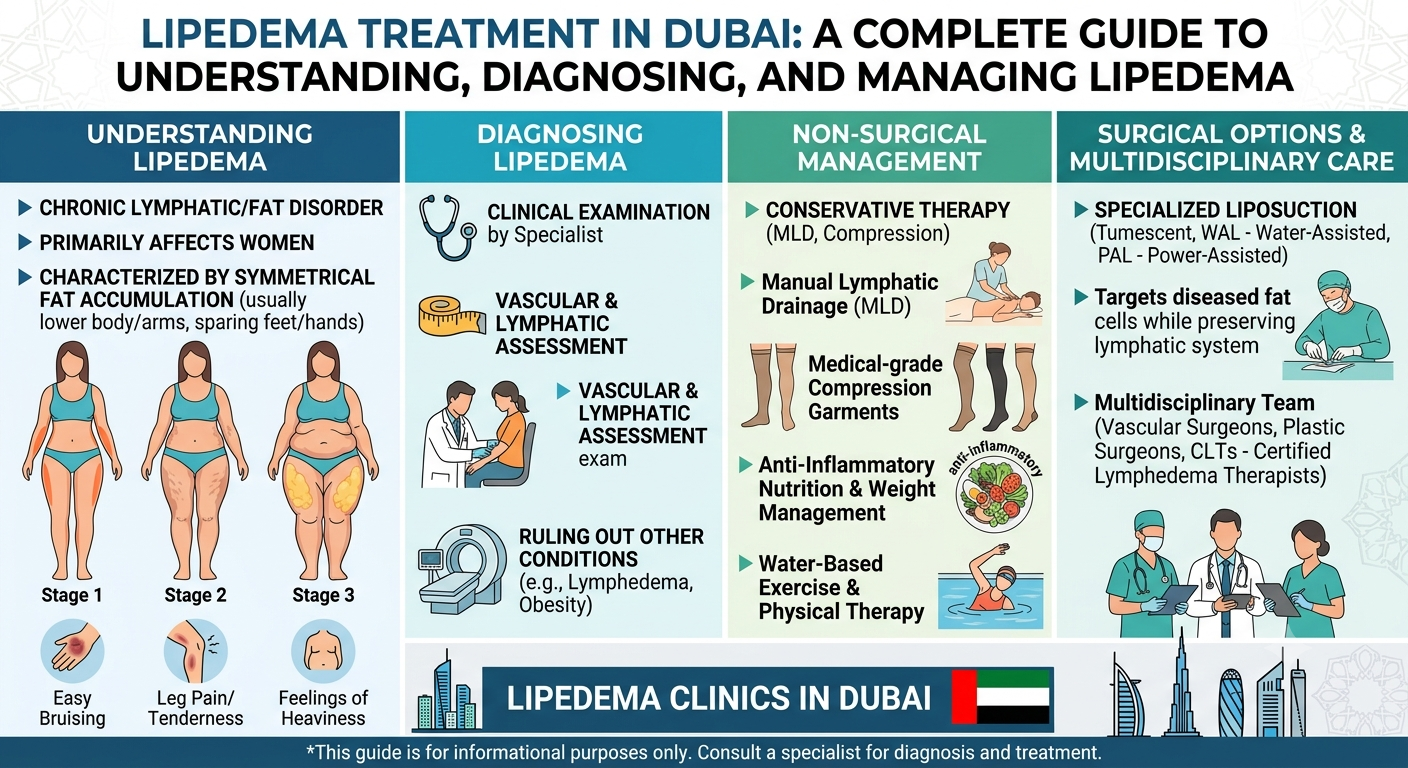
Lipedema is a chronic medical condition that causes an abnormal buildup of fat, usually affecting the legs and, in some cases, the arms. Unlike ordinary body fat, lipedema fat behaves differently. It is often painful, resistant to diet and exercise, and commonly associated with swelling and tenderness.
The condition almost exclusively affects women and frequently develops during times of hormonal change, such as puberty, pregnancy, or menopause.
One of the defining characteristics of lipedema is that the feet and hands are often spared, creating a noticeable difference between the affected and unaffected areas.
Although lipedema is progressive, early recognition and appropriate treatment can help slow progression and improve daily function.
Why Lipedema is So Often Misunderstood
One of the greatest challenges faced by people living with lipedema is delayed diagnosis.
Many patients are told they simply need to lose more weight, despite already maintaining a healthy lifestyle.
Imagine spending years exercising consistently, only to see improvements everywhere except your legs. Over time, frustration grows, confidence declines, and daily activities become increasingly uncomfortable.
Unfortunately, this experience is common because lipedema is still mistaken for obesity or general fat accumulation.
The difference is important:
- Obesity involves an increase in body fat throughout the body.
- Lipedema involves abnormal fat deposits that are resistant to traditional weight-loss methods and are often painful.
Understanding this distinction allows patients to receive appropriate medical care rather than unnecessary criticism or ineffective advice.
Common Signs and Symptoms of Lipedema
Symptoms often develop gradually, making them easy to overlook during the early stages.
Some of the most common signs include:
Disproportionately Large Legs
Many women notice that their legs remain significantly larger than their upper body, even after successful weight loss.
This imbalance is one of the hallmark signs of lipedema.
Persistent Leg Heaviness
Patients frequently describe their legs as feeling unusually heavy, particularly after standing or walking for long periods.
Simple daily activities may begin to feel more physically demanding.
Pain and Tenderness
Unlike ordinary body fat, lipedema tissue is often sensitive to touch.
Even gentle pressure may cause discomfort.
Some patients experience aching pain throughout the day without obvious injury.
Easy Bruising
Bruises often appear after minor bumps that would not normally leave marks.
This increased bruising tendency is commonly reported among individuals with lipedema.
Symmetrical Fat Distribution
Both legs usually enlarge in a similar pattern.
Unlike many other conditions, one leg is rarely affected without the other.
Swelling
As the condition progresses, fluid retention may become more noticeable, especially after prolonged standing.
Some patients eventually develop secondary lymphatic problems, further increasing swelling.
The Stages of Lipedema
Lipedema develops gradually over time.
Although progression varies between individuals, specialists generally describe four stages.
Stage One
The skin appears relatively smooth, but abnormal fat begins accumulating beneath the surface.
Symptoms may include:
- Mild tenderness
- Easy bruising
- Early heaviness
- Slight enlargement of the legs
Because external changes are subtle, many women do not seek medical advice at this stage.
Stage Two
The skin becomes uneven with small nodules developing beneath the surface.
Patients often notice:
- Increased discomfort
- More visible enlargement
- Greater sensitivity
- Progressive heaviness
Stage Three
Fat deposits become larger and more pronounced.
Mobility may begin to decline as excess tissue affects walking and daily activities.
Swelling often becomes more persistent.
Stage Four
Fluid accumulation becomes more significant, requiring comprehensive management involving both fat-related and lymphatic treatment strategies.
Hormonal Influences
Many women first notice symptoms during hormonal transitions.
Common periods include:
- Puberty
- Pregnancy
- Menopause
This pattern suggests hormones play an important role in disease development.
Genetics
Lipedema frequently occurs within families.
Many patients discover that their mother, grandmother, or sisters have experienced similar symptoms, even if they were never formally diagnosed.
Inflammation
Emerging research suggests chronic inflammation may contribute to changes in fat tissue associated with lipedema.
Ongoing studies continue exploring this relationship.
Lipedema vs. Obesity
One of the most important distinctions specialists make is between lipedema and obesity.
Although the two conditions may exist together, they are not the same.
Obesity
- Fat is generally distributed throughout the body.
- Weight loss usually reduces fat in affected areas.
- Fat tissue is not typically painful.
Lipedema
- Weight loss often has little effect on affected areas.
- Fat tissue is frequently painful and tender.
- Easy bruising is common.
Understanding this difference prevents unnecessary frustration and helps patients receive appropriate treatment.
Lipedema vs. Lymphedema
These conditions are also commonly confused.
However, they involve different underlying processes.
Lipedema
- Abnormal fat accumulation
- Painful tissue
- Symmetrical enlargement
- Feet usually unaffected during early stages
Lymphedema
- Fluid accumulation due to impaired lymphatic drainage
- Often affects one limb first
- Feet may become swollen
- Skin changes are more common
Some patients eventually develop both conditions, making specialist evaluation particularly important.
The Emotional Impact of Lipedema
Lipedema affects far more than physical appearance.
Many women experience years of frustration before receiving an accurate diagnosis.
Some avoid social situations because they feel self-conscious about their legs.
Others struggle to find properly fitting clothing despite maintaining a healthy weight.
Patients frequently report feeling misunderstood by family, friends, or even healthcare providers who mistakenly attribute their symptoms solely to obesity.
Receiving a diagnosis often brings a sense of relief because it validates years of unexplained symptoms and opens the door to appropriate treatment.
Why Early Diagnosis Matters
Early diagnosis allows treatment to begin before symptoms become significantly more advanced.
Without appropriate management, patients may experience:
- Increased pain
- Progressive swelling
- Reduced mobility
- Joint strain
- Emotional distress
- Greater difficulty performing daily activities
Although lipedema cannot currently be cured, early intervention often improves long-term outcomes and quality of life.
How Lipedema is Diagnosed
Diagnosis relies on careful clinical assessment performed by an experienced specialist.
During your consultation, the evaluation may include:
- Detailed medical history
- Family history
- Physical examination
- Assessment of fat distribution
- Skin evaluation
- Tenderness testing
- Swelling assessment
- Mobility evaluation
Additional imaging studies may occasionally be recommended to exclude other vascular or lymphatic conditions.
Accurate diagnosis is essential because treatment differs significantly from the management of obesity or simple leg swelling.
When Should You See a Specialist?
Many patients wait years before seeking professional advice.
Consider scheduling an evaluation if you notice:
- Legs that remain disproportionately large despite weight loss
- Persistent heaviness or aching
- Easy bruising
- Painful fat deposits
- Swelling that worsens throughout the day
- Difficulty walking comfortably
- A family history of similar symptoms
Early assessment provides the best opportunity to begin personalized treatment before symptoms progress further.
At The Lipo Lab, we understand that every patient’s experience with lipedema is unique. Our comprehensive evaluations focus on identifying the condition accurately, explaining each stage clearly, and developing treatment strategies tailored to individual needs and long-term health goals.
Understanding, Diagnosing, and Managing Lipedema
Receiving a diagnosis of lipedema can be overwhelming at first. Many patients experience mixed emotions—relief at finally having an explanation for their symptoms, but also uncertainty about what comes next.
The encouraging news is that while lipedema is a chronic condition, modern treatment focuses on improving comfort, reducing symptoms, preserving mobility, and enhancing quality of life. The most successful outcomes usually come from a personalized treatment plan tailored to the patient’s stage of lipedema, lifestyle, and long-term goals.
At The Lipo Lab, our approach combines accurate diagnosis with evidence-based treatments to help patients manage their condition with confidence.
Lipedema Treatment in Dubai
Effective lipedema management begins with understanding that treatment is not solely about appearance. The primary goals are to:
- Reduce pain and tenderness
- Minimize swelling
- Improve mobility
- Support lymphatic health
- Enhance body function
- Improve long-term quality of life
Treatment may involve conservative therapies, lifestyle modifications, or surgical intervention depending on the severity of the condition.
Conservative Treatments for Lipedema
For many patients, treatment begins with non-surgical management. These therapies help control symptoms and may slow progression.
Compression Therapy
Compression garments are one of the most widely recommended treatments for lipedema.
Unlike ordinary leggings or shapewear, medical-grade compression garments apply controlled pressure that supports circulation and lymphatic drainage.
Patients often report:
- Reduced leg heaviness
- Less swelling
- Improved comfort during walking
- Better daily mobility
Compression garments are particularly beneficial for individuals who spend long hours standing or sitting.
Manual Lymphatic Drainage (MLD)
Manual Lymphatic Drainage is a specialized massage technique performed by trained professionals.
Its purpose is to encourage the movement of lymphatic fluid and reduce fluid accumulation that may accompany lipedema.
Potential benefits include:
- Reduced swelling
- Increased comfort
- Improved tissue softness
- Better limb mobility
MLD is often combined with compression therapy for optimal symptom management.
Exercise and Physical Activity
Many patients believe exercise is ineffective because it does not eliminate lipedema fat.
While exercise cannot remove abnormal fat tissue, it remains an essential part of treatment.
Low-impact activities are generally recommended, including:
- Walking
- Swimming
- Cycling
- Water aerobics
- Gentle strength training
These exercises help maintain joint health, improve circulation, and support overall physical fitness without placing excessive strain on the body.
Nutrition and Weight Management
A healthy diet does not cure lipedema, but it plays an important role in overall health.
Maintaining a stable weight may help reduce additional stress on the joints and support better mobility.
Patients are often encouraged to:
- Eat balanced meals
- Stay hydrated
- Limit highly processed foods
- Prioritize lean protein, vegetables, fruits, and healthy fats
Nutritional guidance should be individualized according to each patient’s needs.
Advanced Lipedema Treatment: Specialized Liposuction
For some individuals, conservative treatments alone may not provide sufficient relief.
In carefully selected patients, specialized liposuction may be considered.
Unlike cosmetic liposuction performed solely for aesthetic purposes, lipedema liposuction focuses on removing abnormal fat while protecting the surrounding lymphatic structures.
The goals include:
- Reducing pain
- Improving mobility
- Decreasing heaviness
- Enhancing body proportions
- Supporting long-term symptom management
Not every patient requires surgery, which is why a thorough medical evaluation is essential before making treatment decisions.
Recovery After Lipedema Treatment
For patients undergoing liposuction, healing typically involves:
- Temporary swelling
- Wearing compression garments
- Follow-up appointments
- Gradual return to physical activity
The body continues adapting over several months as swelling improves and tissues heal.
Patients receiving conservative therapy may notice gradual improvements over time through consistent adherence to their treatment plan.
Living Well with Lipedema
Although lipedema is a lifelong condition, many patients continue to lead active, fulfilling lives with appropriate management.
Daily habits that support long-term health include:
- Wearing compression garments as advised
- Staying physically active
- Maintaining a healthy weight
- Attending regular follow-up appointments
- Monitoring changes in symptoms
Consistency is often more important than dramatic short-term changes.
Why Early Treatment Makes a Difference
Many women live with lipedema for years before receiving an accurate diagnosis.
During this time, symptoms may gradually progress, affecting:
- Mobility
- Confidence
- Joint health
- Emotional well-being
- Daily activities
Seeking treatment early allows patients to begin symptom management before significant progression occurs.
Early intervention may also reduce the likelihood of secondary complications, including lipo-lymphedema.
The Importance of Choosing an Experienced Specialist
Because lipedema shares symptoms with obesity, lymphedema, and chronic venous disease, accurate diagnosis requires experience.
An experienced specialist understands how to:
- Differentiate lipedema from similar conditions
- Identify disease stage
- Develop individualized treatment plans
- Recommend appropriate therapies
- Monitor long-term progression
This comprehensive approach helps patients receive appropriate care rather than temporary symptom relief alone.
Why Patients Choose The Lipo Lab
At The Lipo Lab, we recognize that every patient experiences lipedema differently.
Our patient-centered philosophy focuses on understanding the whole person—not simply treating the condition.
Patients choose us because we offer:
- Comprehensive evaluations
- Accurate diagnosis
- Personalized treatment planning
- Evidence-based therapies
- Advanced body contouring expertise
- Ongoing education and long-term support
From your first consultation through every stage of treatment, our goal is to help you feel informed, supported, and confident in your care.
Final Thought
Living with lipedema can be physically demanding and emotionally exhausting, especially when symptoms are misunderstood or mistaken for simple weight gain. The journey often begins with unanswered questions, but it doesn’t have to end there.
Understanding the condition, seeking an accurate diagnosis, and starting a personalized treatment plan can make a meaningful difference in daily comfort, mobility, and long-term health.
If you’re searching for Lipedema Treatment in Dubai, choosing a clinic with expertise in vascular and lymphatic care is an important first step. The right team can help distinguish lipedema from similar conditions, recommend evidence-based treatments, and provide ongoing support tailored to your individual needs.
At The Lipo Lab, we are committed to delivering compassionate, patient-focused care backed by clinical expertise. Whether you’re in the early stages of lipedema or seeking advanced treatment options, our goal is to help you move more comfortably, regain confidence, and improve your quality of life through personalized, long-term care.
Frequently Asked Questions
Can lipedema be cured?
There is currently no permanent cure, but modern treatments can significantly reduce symptoms and improve quality of life.
Is lipedema the same as obesity?
No. Lipedema is a chronic medical condition involving abnormal fat accumulation that behaves differently from ordinary body fat.
Does lipedema affect men?
Lipedema predominantly affects women, although rare cases have been reported in men.
Will losing weight eliminate lipedema?
Weight loss supports overall health but often does not remove lipedema fat from affected areas.
Is lipedema painful?
Yes. Many patients experience tenderness, aching, and increased sensitivity in affected tissues.
Can compression garments help?
Yes. Properly fitted medical compression garments often reduce heaviness, swelling, and discomfort.
Is exercise still important?
Absolutely. Although exercise cannot remove lipedema fat, it supports circulation, mobility, and overall physical health.
What is Manual Lymphatic Drainage?
It is a specialized therapy that encourages healthy lymphatic fluid movement and helps manage swelling.
Is surgery always necessary?
No. Many patients successfully manage symptoms through conservative therapies. Surgical treatment is considered only after careful evaluation.
How long does recovery after lipedema liposuction take?
Recovery varies by individual, but most patients experience gradual improvement over several weeks, with continued healing over the following months.
Can lipedema return after surgery?
Liposuction removes abnormal fat cells from treated areas, but maintaining a healthy lifestyle and ongoing follow-up remain important for long-term management.
Is lipedema hereditary?
Many patients have a family history of similar symptoms, suggesting a genetic component.
When should I see a specialist?
If you experience persistent leg heaviness, pain, easy bruising, swelling, or disproportionate fat that does not respond to diet and exercise, professional evaluation is recoFor years, Sarah believed she simply needed to lose more weight.
She followed healthy meal plans, joined fitness programs, walked every evening, and even worked with a personal trainer. Gradually, the number on the scale dropped. Her face became slimmer, her waist became more defined, and her upper body changed noticeably.
But her legs didn’t.
They remained disproportionately large, heavy, and painful. Friends complimented her weight loss while she quietly wondered why her lower body never seemed to respond. She was often told, “Just keep exercising,” or “Maybe you need a stricter diet.” Eventually, after visiting a specialist, Sarah heard a word she had never encountered before: Lipedema.
For countless women, this story feels painfully familiar.
Lipedema is one of the most misunderstood chronic conditions affecting fat distribution. Because its symptoms closely resemble obesity or simple weight gain, many women spend years searching for answers before receiving the correct diagnosis.
At The Lipo Lab, we believe that understanding Lipedema Treatment in Dubai is the first step toward effective treatment. With early diagnosis, personalized care, and evidence-based treatment options, patients can improve their comfort, mobility, and overall quality of life.
What is Lipedema?
Lipedema is a chronic medical condition that causes an abnormal buildup of fat, usually affecting the legs and, in some cases, the arms. Unlike ordinary body fat, lipedema fat behaves differently. It is often painful, resistant to diet and exercise, and commonly associated with swelling and tenderness.
The condition almost exclusively affects women and frequently develops during times of hormonal change, such as puberty, pregnancy, or menopause.
One of the defining characteristics of lipedema is that the feet and hands are often spared, creating a noticeable difference between the affected and unaffected areas.
Although lipedema is progressive, early recognition and appropriate treatment can help slow progression and improve daily function.
Why Lipedema is So Often Misunderstood
One of the greatest challenges faced by people living with lipedema is delayed diagnosis.
Many patients are told they simply need to lose more weight, despite already maintaining a healthy lifestyle.
Imagine spending years exercising consistently, only to see improvements everywhere except your legs. Over time, frustration grows, confidence declines, and daily activities become increasingly uncomfortable.
Unfortunately, this experience is common because lipedema is still mistaken for obesity or general fat accumulation.
The difference is important:
- Obesity involves an increase in body fat throughout the body.
- Lipedema involves abnormal fat deposits that are resistant to traditional weight-loss methods and are often painful.
Understanding this distinction allows patients to receive appropriate medical care rather than unnecessary criticism or ineffective advice.
Common Signs and Symptoms of Lipedema
Symptoms often develop gradually, making them easy to overlook during the early stages.
Some of the most common signs include:
Disproportionately Large Legs
Many women notice that their legs remain significantly larger than their upper body, even after successful weight loss.
This imbalance is one of the hallmark signs of lipedema.
Persistent Leg Heaviness
Patients frequently describe their legs as feeling unusually heavy, particularly after standing or walking for long periods.
Simple daily activities may begin to feel more physically demanding.
Pain and Tenderness
Unlike ordinary body fat, lipedema tissue is often sensitive to touch.
Even gentle pressure may cause discomfort.
Some patients experience aching pain throughout the day without obvious injury.
Easy Bruising
Bruises often appear after minor bumps that would not normally leave marks.
This increased bruising tendency is commonly reported among individuals with lipedema.
Symmetrical Fat Distribution
Both legs usually enlarge in a similar pattern.
Unlike many other conditions, one leg is rarely affected without the other.
Swelling
As the condition progresses, fluid retention may become more noticeable, especially after prolonged standing.
Some patients eventually develop secondary lymphatic problems, further increasing swelling.
The Stages of Lipedema
Lipedema develops gradually over time.
Although progression varies between individuals, specialists generally describe four stages.
Stage One
The skin appears relatively smooth, but abnormal fat begins accumulating beneath the surface.
Symptoms may include:
- Mild tenderness
- Easy bruising
- Early heaviness
- Slight enlargement of the legs
Because external changes are subtle, many women do not seek medical advice at this stage.
Stage Two
The skin becomes uneven with small nodules developing beneath the surface.
Patients often notice:
- Increased discomfort
- More visible enlargement
- Greater sensitivity
- Progressive heaviness
Stage Three
Fat deposits become larger and more pronounced.
Mobility may begin to decline as excess tissue affects walking and daily activities.
Swelling often becomes more persistent.
Stage Four
Fluid accumulation becomes more significant, requiring comprehensive management involving both fat-related and lymphatic treatment strategies.
Hormonal Influences
Many women first notice symptoms during hormonal transitions.
Common periods include:
- Puberty
- Pregnancy
- Menopause
This pattern suggests hormones play an important role in disease development.
Genetics
Lipedema frequently occurs within families.
Many patients discover that their mother, grandmother, or sisters have experienced similar symptoms, even if they were never formally diagnosed.
Inflammation
Emerging research suggests chronic inflammation may contribute to changes in fat tissue associated with lipedema.
Ongoing studies continue exploring this relationship.
Lipedema vs. Obesity
One of the most important distinctions specialists make is between lipedema and obesity.
Although the two conditions may exist together, they are not the same.
Obesity
- Fat is generally distributed throughout the body.
- Weight loss usually reduces fat in affected areas.
- Fat tissue is not typically painful.
Lipedema
- Weight loss often has little effect on affected areas.
- Fat tissue is frequently painful and tender.
- Easy bruising is common.
Understanding this difference prevents unnecessary frustration and helps patients receive appropriate treatment.
Lipedema vs. Lymphedema
These conditions are also commonly confused.
However, they involve different underlying processes.
Lipedema
- Abnormal fat accumulation
- Painful tissue
- Symmetrical enlargement
- Feet usually unaffected during early stages
Lymphedema
- Fluid accumulation due to impaired lymphatic drainage
- Often affects one limb first
- Feet may become swollen
- Skin changes are more common
Some patients eventually develop both conditions, making specialist evaluation particularly important.
The Emotional Impact of Lipedema
Lipedema affects far more than physical appearance.
Many women experience years of frustration before receiving an accurate diagnosis.
Some avoid social situations because they feel self-conscious about their legs.
Others struggle to find properly fitting clothing despite maintaining a healthy weight.
Patients frequently report feeling misunderstood by family, friends, or even healthcare providers who mistakenly attribute their symptoms solely to obesity.
Receiving a diagnosis often brings a sense of relief because it validates years of unexplained symptoms and opens the door to appropriate treatment.
Why Early Diagnosis Matters
Early diagnosis allows treatment to begin before symptoms become significantly more advanced.
Without appropriate management, patients may experience:
- Increased pain
- Progressive swelling
- Reduced mobility
- Joint strain
- Emotional distress
- Greater difficulty performing daily activities
Although lipedema cannot currently be cured, early intervention often improves long-term outcomes and quality of life.
How Lipedema is Diagnosed
Diagnosis relies on careful clinical assessment performed by an experienced specialist.
During your consultation, the evaluation may include:
- Detailed medical history
- Family history
- Physical examination
- Assessment of fat distribution
- Skin evaluation
- Tenderness testing
- Swelling assessment
- Mobility evaluation
Additional imaging studies may occasionally be recommended to exclude other vascular or lymphatic conditions.
Accurate diagnosis is essential because treatment differs significantly from the management of obesity or simple leg swelling.
When Should You See a Specialist?
Many patients wait years before seeking professional advice.
Consider scheduling an evaluation if you notice:
- Legs that remain disproportionately large despite weight loss
- Persistent heaviness or aching
- Easy bruising
- Painful fat deposits
- Swelling that worsens throughout the day
- Difficulty walking comfortably
- A family history of similar symptoms
Early assessment provides the best opportunity to begin personalized treatment before symptoms progress further.
At The Lipo Lab, we understand that every patient’s experience with lipedema is unique. Our comprehensive evaluations focus on identifying the condition accurately, explaining each stage clearly, and developing treatment strategies tailored to individual needs and long-term health goals.
Understanding, Diagnosing, and Managing Lipedema
Receiving a diagnosis of lipedema can be overwhelming at first. Many patients experience mixed emotions—relief at finally having an explanation for their symptoms, but also uncertainty about what comes next.
The encouraging news is that while lipedema is a chronic condition, modern treatment focuses on improving comfort, reducing symptoms, preserving mobility, and enhancing quality of life. The most successful outcomes usually come from a personalized treatment plan tailored to the patient’s stage of lipedema, lifestyle, and long-term goals.
At The Lipo Lab, our approach combines accurate diagnosis with evidence-based treatments to help patients manage their condition with confidence.
Lipedema Treatment in Dubai
Effective lipedema management begins with understanding that treatment is not solely about appearance. The primary goals are to:
- Reduce pain and tenderness
- Minimize swelling
- Improve mobility
- Support lymphatic health
- Enhance body function
- Improve long-term quality of life
Treatment may involve conservative therapies, lifestyle modifications, or surgical intervention depending on the severity of the condition.
Conservative Treatments for Lipedema
For many patients, treatment begins with non-surgical management. These therapies help control symptoms and may slow progression.
Compression Therapy
Compression garments are one of the most widely recommended treatments for lipedema.
Unlike ordinary leggings or shapewear, medical-grade compression garments apply controlled pressure that supports circulation and lymphatic drainage.
Patients often report:
- Reduced leg heaviness
- Less swelling
- Improved comfort during walking
- Better daily mobility
Compression garments are particularly beneficial for individuals who spend long hours standing or sitting.
Manual Lymphatic Drainage (MLD)
Manual Lymphatic Drainage is a specialized massage technique performed by trained professionals.
Its purpose is to encourage the movement of lymphatic fluid and reduce fluid accumulation that may accompany lipedema.
Potential benefits include:
- Reduced swelling
- Increased comfort
- Improved tissue softness
- Better limb mobility
MLD is often combined with compression therapy for optimal symptom management.
Exercise and Physical Activity
Many patients believe exercise is ineffective because it does not eliminate lipedema fat.
While exercise cannot remove abnormal fat tissue, it remains an essential part of treatment.
Low-impact activities are generally recommended, including:
- Walking
- Swimming
- Cycling
- Water aerobics
- Gentle strength training
These exercises help maintain joint health, improve circulation, and support overall physical fitness without placing excessive strain on the body.
Nutrition and Weight Management
A healthy diet does not cure lipedema, but it plays an important role in overall health.
Maintaining a stable weight may help reduce additional stress on the joints and support better mobility.
Patients are often encouraged to:
- Eat balanced meals
- Stay hydrated
- Limit highly processed foods
- Prioritize lean protein, vegetables, fruits, and healthy fats
Nutritional guidance should be individualized according to each patient’s needs.
Advanced Lipedema Treatment: Specialized Liposuction
For some individuals, conservative treatments alone may not provide sufficient relief.
In carefully selected patients, specialized liposuction may be considered.
Unlike cosmetic liposuction performed solely for aesthetic purposes, lipedema liposuction focuses on removing abnormal fat while protecting the surrounding lymphatic structures.
The goals include:
- Reducing pain
- Improving mobility
- Decreasing heaviness
- Enhancing body proportions
- Supporting long-term symptom management
Not every patient requires surgery, which is why a thorough medical evaluation is essential before making treatment decisions.
Recovery After Lipedema Treatment
For patients undergoing liposuction, healing typically involves:
- Temporary swelling
- Wearing compression garments
- Follow-up appointments
- Gradual return to physical activity
The body continues adapting over several months as swelling improves and tissues heal.
Patients receiving conservative therapy may notice gradual improvements over time through consistent adherence to their treatment plan.
Living Well with Lipedema
Although lipedema is a lifelong condition, many patients continue to lead active, fulfilling lives with appropriate management.
Daily habits that support long-term health include:
- Wearing compression garments as advised
- Staying physically active
- Maintaining a healthy weight
- Attending regular follow-up appointments
- Monitoring changes in symptoms
Consistency is often more important than dramatic short-term changes.
Why Early Treatment Makes a Difference
Many women live with lipedema for years before receiving an accurate diagnosis.
During this time, symptoms may gradually progress, affecting:
- Mobility
- Confidence
- Joint health
- Emotional well-being
- Daily activities
Seeking treatment early allows patients to begin symptom management before significant progression occurs.
Early intervention may also reduce the likelihood of secondary complications, including lipo-lymphedema.
The Importance of Choosing an Experienced Specialist
Because lipedema shares symptoms with obesity, lymphedema, and chronic venous disease, accurate diagnosis requires experience.
An experienced specialist understands how to:
- Differentiate lipedema from similar conditions
- Identify disease stage
- Develop individualized treatment plans
- Recommend appropriate therapies
- Monitor long-term progression
This comprehensive approach helps patients receive appropriate care rather than temporary symptom relief alone.
Why Patients Choose The Lipo Lab
At The Lipo Lab, we recognize that every patient experiences lipedema differently.
Our patient-centered philosophy focuses on understanding the whole person—not simply treating the condition.
Patients choose us because we offer:
- Comprehensive evaluations
- Accurate diagnosis
- Personalized treatment planning
- Evidence-based therapies
- Advanced body contouring expertise
- Ongoing education and long-term support
From your first consultation through every stage of treatment, our goal is to help you feel informed, supported, and confident in your care.
Final Thought
Living with lipedema can be physically demanding and emotionally exhausting, especially when symptoms are misunderstood or mistaken for simple weight gain. The journey often begins with unanswered questions, but it doesn’t have to end there.
Understanding the condition, seeking an accurate diagnosis, and starting a personalized treatment plan can make a meaningful difference in daily comfort, mobility, and long-term health.
If you’re searching for Lipedema Treatment in Dubai, choosing a clinic with expertise in vascular and lymphatic care is an important first step. The right team can help distinguish lipedema from similar conditions, recommend evidence-based treatments, and provide ongoing support tailored to your individual needs.
At The Lipo Lab, we are committed to delivering compassionate, patient-focused care backed by clinical expertise. Whether you’re in the early stages of lipedema or seeking advanced treatment options, our goal is to help you move more comfortably, regain confidence, and improve your quality of life through personalized, long-term care.
Frequently Asked Questions
Can lipedema be cured?
There is currently no permanent cure, but modern treatments can significantly reduce symptoms and improve quality of life.
Is lipedema the same as obesity?
No. Lipedema is a chronic medical condition involving abnormal fat accumulation that behaves differently from ordinary body fat.
Does lipedema affect men?
Lipedema predominantly affects women, although rare cases have been reported in men.
Will losing weight eliminate lipedema?
Weight loss supports overall health but often does not remove lipedema fat from affected areas.
Is lipedema painful?
Yes. Many patients experience tenderness, aching, and increased sensitivity in affected tissues.
Can compression garments help?
Yes. Properly fitted medical compression garments often reduce heaviness, swelling, and discomfort.
Is exercise still important?
Absolutely. Although exercise cannot remove lipedema fat, it supports circulation, mobility, and overall physical health.
What is Manual Lymphatic Drainage?
It is a specialized therapy that encourages healthy lymphatic fluid movement and helps manage swelling.
Is surgery always necessary?
No. Many patients successfully manage symptoms through conservative therapies. Surgical treatment is considered only after careful evaluation.
How long does recovery after lipedema liposuction take?
Recovery varies by individual, but most patients experience gradual improvement over several weeks, with continued healing over the following months.
Can lipedema return after surgery?
Liposuction removes abnormal fat cells from treated areas, but maintaining a healthy lifestyle and ongoing follow-up remain important for long-term management.
Is lipedema hereditary?
Many patients have a family history of similar symptoms, suggesting a genetic component.
When should I see a specialist?
If you experience persistent leg heaviness, pain, easy bruising, swelling, or disproportionate fat that does not respond to diet and exercise, professional evaluation is recommended.mmended.