Clinics tend to measure lipedema in circumference and volume. Women tend to measure it in the things they stopped doing — the dress left on the rail, the pool avoided, the photograph they stepped out of.
This is the part of the condition that no scan picks up, and it deserves the same seriousness as the physical symptoms.
What the condition takes, quietly
Most women with lipedema have spent years being told to eat less and move more. When the legs do not respond — because they cannot — the obvious conclusion to draw is that you have failed. That belief tends to settle in long before anyone offers a diagnosis.
In a climate like Dubai’s, the daily arithmetic gets louder: covering up in forty-degree heat, declining the beach, choosing restaurants by how far the walk is from the car. The world narrows a little at a time, and rarely in ways anyone else notices.
The things women tell us they miss
When we ask what they want back, the answers are almost never about appearance:
- Wearing what they want in summer, without planning around it.
- Walking without counting the distance first.
- Sitting cross-legged on the floor with their children.
- Swimming, and the changing room that comes before it.
- Being in family photographs rather than taking them.
- Getting to the end of the day without their legs deciding how it goes.
Being dismissed for years teaches you to make yourself smaller. Treatment is partly about unlearning that.
What changes, and what doesn’t
It is worth being honest here. Treatment is not a personality transplant, and it will not resolve everything that years of being disbelieved has done. What it does is remove the affected tissue and relieve the pain, heaviness and restriction that come with it.
Lipedema is chronic, so it is managed rather than cured. The fat cells removed do not return, and most women describe the first change not as a change in shape but as lightness — legs that no longer ache by mid-afternoon.
Looking after yourself alongside treatment
The emotional side responds to care in the same way the physical side does:
- Keep up compression and movement — feeling in control of your own routine matters.
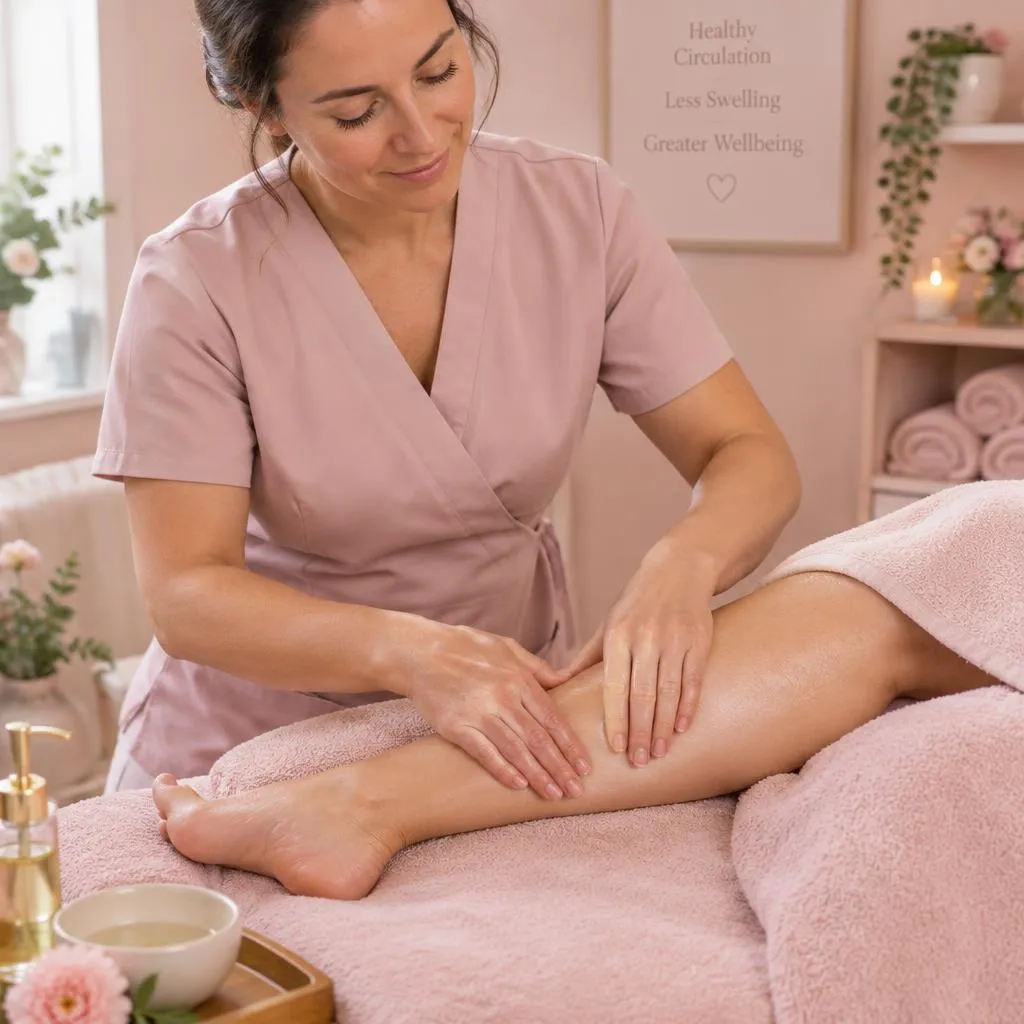
- Use lymphatic massage. The physical relief and the hour of being looked after both count.
- Understand your own diagnosis. Being able to name the condition changes how you talk about it.
- Find people who believe you, whether that is a support group, a friend or a clinician who listens.
If you have been managing this alone for a long time, speaking to someone who recognises the pattern immediately can be its own kind of relief — regardless of what you decide to do next.
You are not asking for vanity. You are asking to move through your own life without pain.
Our consultations are unhurried, and nobody will push you towards surgery. If you simply want to understand what you are dealing with, that is a perfectly good reason to come in.